


Understanding Rising Damp and what it means for your home.
Rising damp is a problem in houses that often goes undiagnosed, misunderstood, or mis‑labelled, yet it can quietly do serious damage over time. If you notice damp patches creeping up from the base of a wall, it could be rising damp. But before rushing into repairs, it’s important to understand exactly what rising damp is.
What Is Rising Damp?
Rising damp occurs when ground moisture is drawn up through the walls, rather than coming from a leak or indoor condensation. Water from the soil is absorbed by porous materials such as brick, mortar, or stone and climbs up the wall through a process called capillary action.
Most modern properties are built with a damp-proof course (DPC), a horizontal barrier inserted just above ground level. The DPC’s purpose is to prevent moisture from rising into the walls. (property-care.org)
Rising damp becomes a problem when the DPC is missing, damaged, or bypassed, allowing moisture to travel upward unchecked.
Why Some Homes Are More Vulnerable: Common Causes of Rising Damp
Not all homes are equally at risk, but older properties tend to be more susceptible. Common causes include:
- No Damp-Proof Course (DPC): Many older homes, especially those built before the 20th century, were constructed without a proper DPC.
- DPC Deterioration: Over time, older DPC materials such as slate or bitumen can fail, leaving the walls vulnerable.
- Bridging the DPC: If ground levels rise due to landscaping, patios, or soil piled against walls, moisture can bypass the DPC.
- Soil or Groundwater Conditions: Water-retaining soil or a high water table can saturate foundations and contribute to rising damp.
- Porous or Deteriorating Walls: Over time, bricks, mortar, and stone can degrade, increasing water absorption.
Older homes, especially solid-wall properties built before modern damp-proofing standards, are most at risk.
Recognising Signs of Rising Damp
Early detection is crucial. Common signs include:
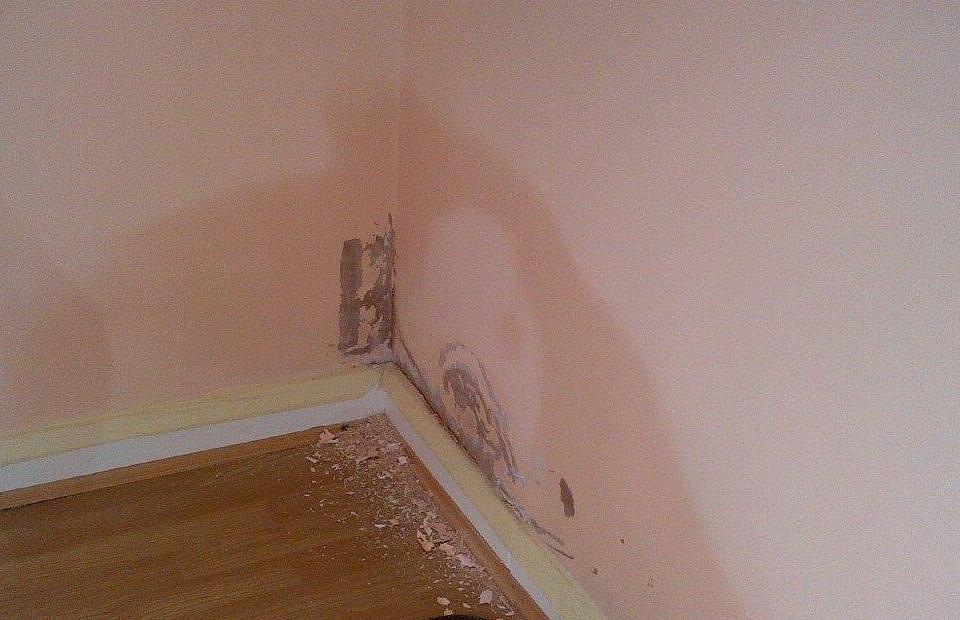
- Tide-mark or Damp Staining: Low on a wall, usually starting at floor or skirting-board level. Dampness often decreases with height.
- Peeling, Bubbling, or Blistered Wallpaper/Paint: Moisture can cause finishes to lift.
- White Powdery Salt Deposits (Efflorescence): Water rising and evaporating leaves salts behind.
- Damp or Crumbling Plaster: Plaster may fail to dry properly even with heating and ventilation.
- Rotting Skirting Boards or Floorboards: Persistent moisture can lead to wet or dry rot.
- Musty Smell or Cold Damp Feeling: Often near the base of walls; may increase heating costs.
Because symptoms like damp patches or peeling wallpaper can also be caused by condensation or leaks, professional assessment is recommended.

Rising Damp vs Condensation vs Penetrating Damp — What’s the Difference?
Misdiagnosis is common. Many homeowners confuse rising damp with condensation or water ingress from external defects. Understanding the differences helps with correct treatment:
Rising Damp
Occurs when ground moisture rises through walls due to a missing, damaged, or bridged DPC. Appears as tide-marks up to 1 metre high, salt deposits, damp plaster, or rotting skirting. Constant, independent of weather, though worse in saturated soil.
Condensation
Caused by indoor moisture condensing on cold surfaces, like walls or windows. Appears higher up walls or ceilings, may form mould in corners, or even dripping water. Triggered by cooking, showering, drying clothes, and changes with humidity or ventilation.
Penetrating Damp
Occurs when water enters through defects in the building (e.g., damaged brickwork, leaking gutters, cracked render). Can appear anywhere on walls, not necessarily from the floor. Often noticeable after heavy rain or wet weather.
Because treatments and costs differ for each type, correct diagnosis is essential.
Risks of Untreated Rising Damp
Leaving rising damp untreated can result in:
- Structural Damage: Wet plaster, peeling paint, weakening walls, deteriorating mortar or bricks, rotting timber. (richardsonandstarling.co.uk)
- Health and Comfort Issues: Musty, damp environments can promote mould growth and reduce indoor air quality. Homes can feel cold and harder to heat, increasing energy costs. (confused.com)
- Decreased Property Value: Visible damp, salt stains, and rot may reduce resale value. (dampserve.com)
- Escalating Costs: Small issues can develop into widespread damage requiring more extensive repairs. (myjobquote.co.uk)
How to Check for Rising Damp
If you suspect rising damp:
- Inspect walls for tide-marks or staining near the floor.
- Check for peeling wallpaper, blistered paint, or salt deposits.
- Look at skirting boards and floorboards for rot or dampness.
- Notice musty smells or cold, damp patches.
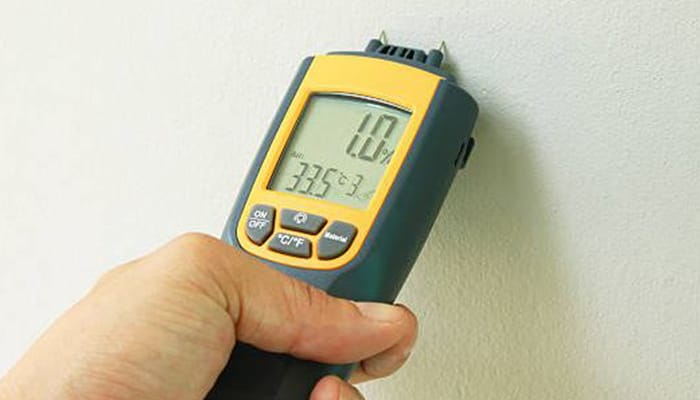
A moisture meter can help detect damp but is not always conclusive. A professional survey is the most reliable way to confirm rising damp.Treatment Options for Rising Damp
A damp specialist may recommend:
- Chemical DPC Injection: Water-repellent cream injected into mortar joints, creating a barrier against rising moisture.
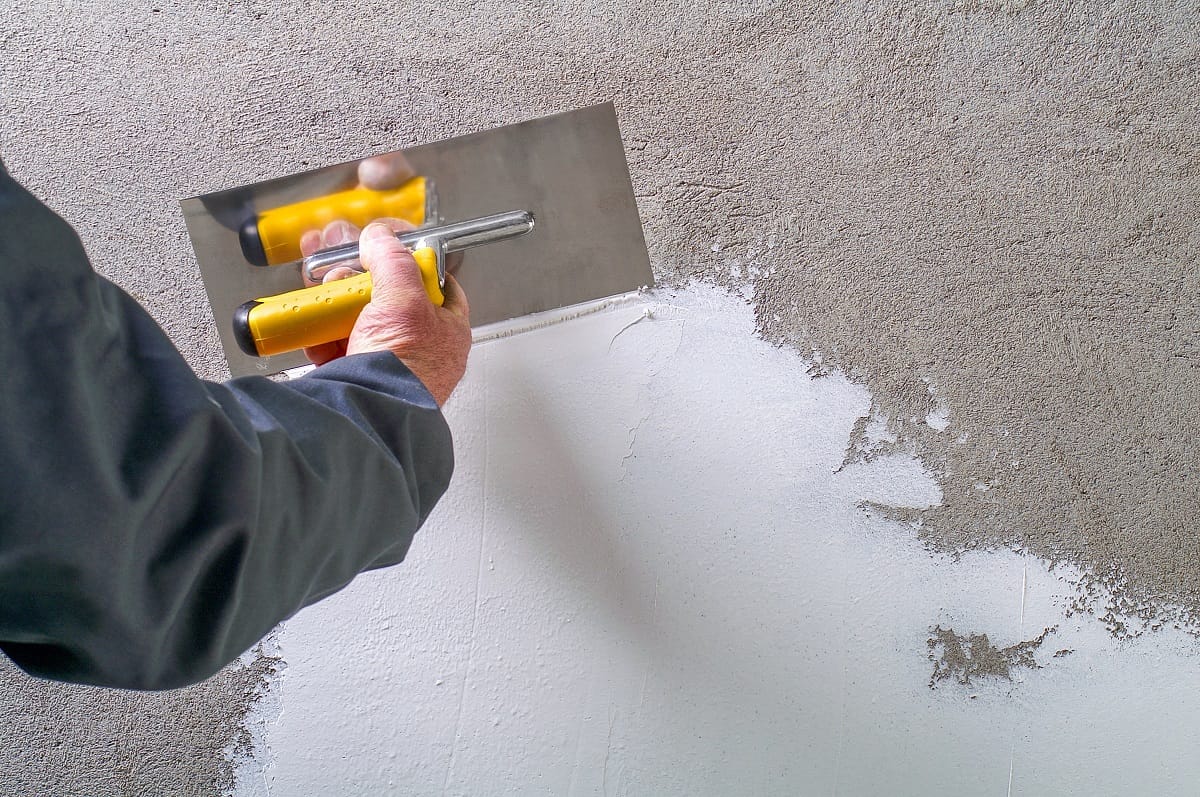
- Re-plastering with Salt-Resistant Materials: After treatment, existing plaster contaminated with salts must be replaced.
- External Ground Adjustments: Lowering ground levels, improving drainage, or modifying landscaping to avoid bridging the DPC.
- Membranes or Tanking: In severe cases, waterproof membranes may be installed to prevent moisture.
Post-treatment, walls should be allowed to dry thoroughly, and salt-resistant plaster or paint used. Monitoring for recurring damp is recommended.
Rising Damp Checklist for Homeowners
- Tide-mark or damp near floor level
- Damp decreasing with height
- Peeling wallpaper or blistered paint
- White salt deposits on walls or skirting
- Damp or rotting skirting boards or floorboards
- Musty smell or cold, damp feeling at base of walls
- Older home without modern damp-proofing
- Raised ground levels or new landscaping
- Blocked gutters or poor external drainage
- Damp plaster or finishes that don’t dry properly
If several of these signs are present, schedule a professional damp survey.
Final Thoughts
Rising damp is real and should not be ignored. Proper diagnosis by a qualified surveyor, followed by appropriate treatment, can prevent serious damage and costly repairs. The earlier you address rising damp, the less disruptive and expensive the solution will be. Maintaining good drainage, ventilation, and monitoring your home can also prevent recurrence.