



Newcastle upon Tyne is a city defined by contrast - a compact, energetic urban core sitting on the River Tyne, surrounded by leafy residential suburbs and quieter outer neighbourhoods that feel a world away from the busy centre. It’s a place where industrial heritage and modern regeneration sit side by side: glass-fronted offices and universities in one direction, Victorian terraces, parks, and tree-lined streets in the other. It offers a rare mix of affordability, culture, with strong transport links and a city centre that punches well above its weight for nightlife, education, and employment.
But as with any major UK city, crime levels are not evenly distributed. They vary sharply depending on location, housing density, and levels of activity — particularly around the city centre and transport corridors. This guide breaks down five key Newcastle neighbourhoods using 2025 crime data, giving a clear, grounded view of how safety differs across the city.
Understanding Safety in Newcastle upon Tyne
Newcastle upon Tyne has a very typical UK metropolitan crime pattern: higher recorded incidents in the dense urban core, and significantly lower levels in its suburban and outer residential areas.
The city centre, student-heavy districts, and nightlife corridors naturally record higher volumes of incidents due to footfall, entertainment venues, and transient populations. Meanwhile, outer neighbourhoods such as Gosforth and parts of Benton tend to benefit from quieter streets, higher owner-occupancy rates, and more stable community structures.
Gosforth
Gosforth recorded 484 crimes in 2025, averaging around 40 incidents per month.
That places Gosforth comfortably below the UK average, and firmly in the category of one of Newcastle’s more consistently stable and desirable residential areas. Located to the north of the city centre, Gosforth combines suburban calm with excellent access into town via metro and road links.
The area is characterised by tree-lined streets, strong schools, and a high proportion of long-term homeowners. While it has busy pockets — particularly around Gosforth High Street — the overall crime profile is moderated by its residential nature and relatively low levels of deprivation compared to inner-city wards.
For buyers, Gosforth is often seen as a “best of both worlds” location: close enough to the centre for convenience, but far enough out to avoid the intensity of urban crime patterns.
Castle
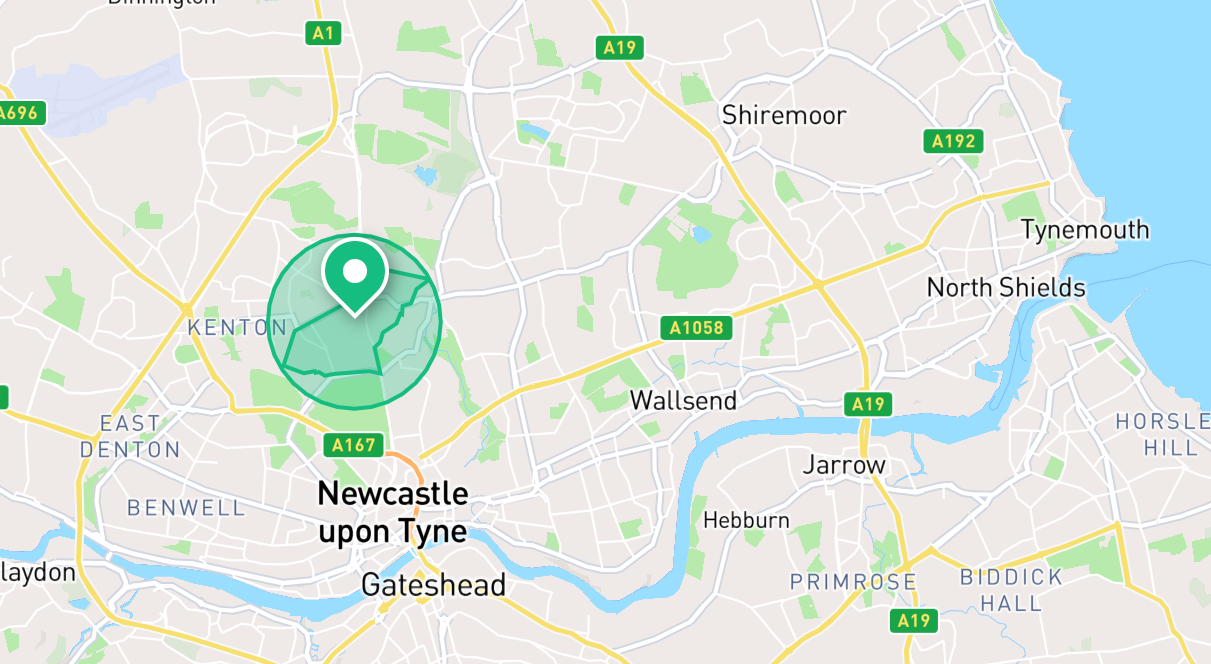
Castle recorded 596 crimes in 2025, averaging around 50 incidents per month.
Castle sits in and around the city centre, covering some of the most active and densely populated parts of Newcastle. Its crime figures are therefore heavily influenced by footfall, nightlife, retail activity, and transport hubs rather than purely residential risk.
While the numbers sit close to the national average, they should be read in context: this is a highly transient area where incidents are often low-level and linked to evening economy activity rather than residential neighbourhood issues.
Castle represents the trade-off of central living — convenience, culture, and connectivity on one hand, and higher recorded crime driven by activity levels on the other.
Chapel
Chapel recorded 607 crimes in 2025, averaging around 51 incidents per month.
Chapel sits very close to the urban core and shares many of the same dynamics as Castle. Its figures are shaped by density, commercial activity, and movement through and around the city centre.
On paper, the crime rate sits just under the UK average — but again, this reflects usage patterns more than residential risk. The area experiences regular flows of students, workers, and visitors, all of which contribute to a higher volume of recorded incidents.
For residents, Chapel offers walkable access to the city centre and university areas, but with that comes the reality of being in one of Newcastle’s more active policing environments.
Heaton
Heaton recorded 983 crimes in 2025, averaging around 82 incidents per month.
Heaton sits to the east of the city centre and is one of Newcastle’s most densely populated residential districts. It is also heavily influenced by student accommodation, particularly due to its proximity to both universities.
This combination of high population turnover, rental density, and nightlife spillover contributes to a crime rate that sits above the national average. However, much of the recorded activity remains relatively low-level and concentrated around main roads and shared housing zones.
Heaton is a vibrant, diverse neighbourhood with strong cultural identity and excellent transport links. The trade-off is clear in the data: affordability and proximity to the city centre come with a higher baseline level of recorded incidents.
Longbenton and Benton
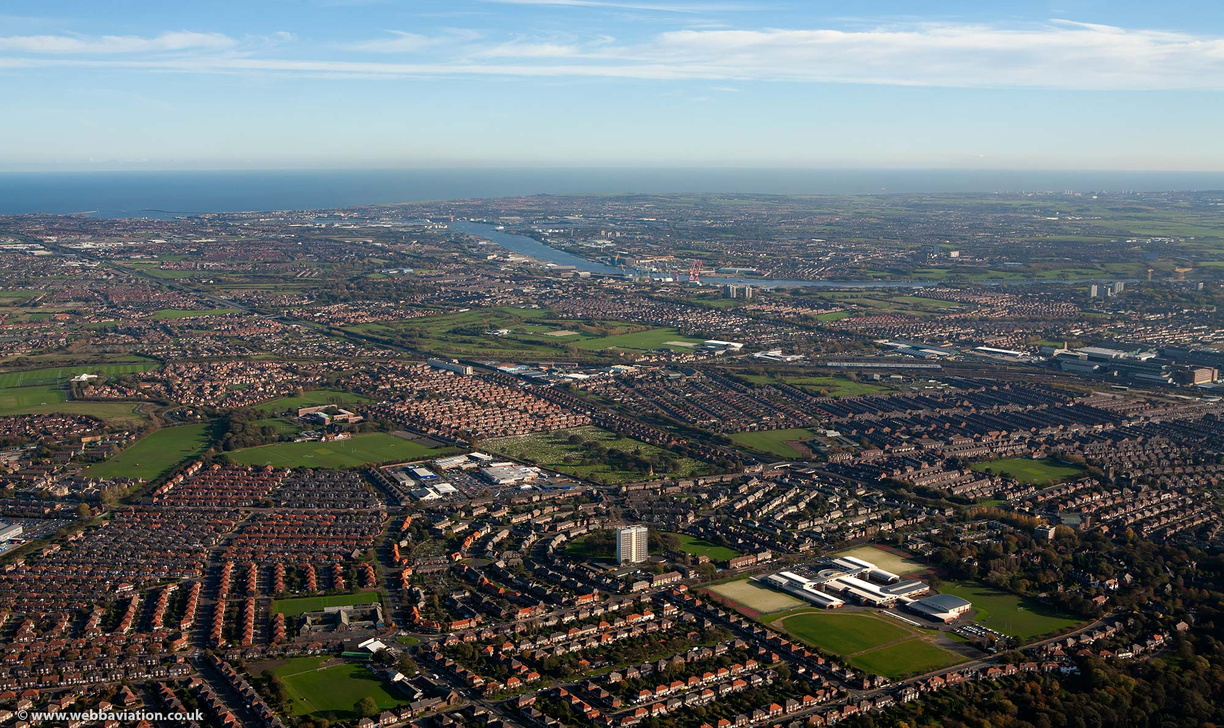
Longbenton and Benton recorded 1,044 crimes in 2025, averaging around 87 incidents per month.
This combined ward sits to the north-east of the city and includes a mix of residential estates, suburban housing, and key transport infrastructure such as metro connections and retail zones.
The higher crime figure is largely a function of scale — a larger population and more varied land use compared to smaller suburban wards. Certain pockets see more activity, particularly around commercial areas and transport hubs, which elevates overall recorded incidents.
Despite the numbers, parts of Benton remain popular with families due to good schools, green spaces, and relatively affordable housing compared to Gosforth or Jesmond. As always, the data reflects a mixed ward rather than a uniform neighbourhood experience.

Conclusion
Newcastle upon Tyne’s safety profile is shaped by a familiar urban pattern: the city centre and dense inner districts record higher levels of crime driven by activity and population flow, while suburban areas like Gosforth remain significantly calmer and more residential in character.
Gosforth stands out as one of the most consistently low-crime, high-demand areas. Castle, Chapel, and Heaton reflect the realities of city-centre living and student density, while Longbenton and Benton show how larger suburban wards can contain pockets of both calm and higher activity.
Overall, Newcastle offers a wide spectrum of neighbourhood experiences — from energetic urban living to quiet suburban stability — all within a relatively compact city footprint.