Condensation and damp are two of the most common (and most avoidable) problems in UK homes. Here's how to spot the difference, fix it yourself, and stop it coming back.
If you've noticed misty windows in the morning, a musty smell in the bathroom, or small black spots creeping across a bit of wall, you're dealing with one of the most common home maintenance issues out there: condensation and damp. It's estimated that the vast majority of UK homes experience some form of condensation each year, and left untreated, it doesn't just look bad - it can damage plaster, rot window frames, and create the perfect conditions for mould, which can affect both your home and your health.
The good news is that most condensation and damp problems are caused by everyday habits and small gaps in ventilation, which means most of them can be fixed without calling in a professional. This guide walks through what's actually happening in your walls and windows, how to tell which type of damp you're dealing with, and the DIY steps that will sort it out for good.
What Causes Condensation and Damp?
Condensation happens when warm, moist air meets a cold surface, like a window, an external wall, or a cold pipe and the water vapour in the air turns back into liquid. Every home produces moisture constantly: cooking, showering, drying clothes indoors, even breathing all add water vapour to the air. In a well-ventilated home, that moisture escapes. In a poorly ventilated one, it has nowhere to go, so it settles on the coldest surfaces it can find.
This is why condensation is worst in autumn and winter, when outside walls and windows are colder than the air inside. It's also why it clusters in specific rooms: bathrooms, kitchens, and bedrooms with poor airflow (especially if furniture is pushed right up against an external wall) are the usual suspects.
Damp is a broader term that covers any unwanted moisture in your home, and condensation is just one type. Understanding which type you have matters, because the fix is different for each.
The Three Types of Damp (And How to Tell Them Apart)
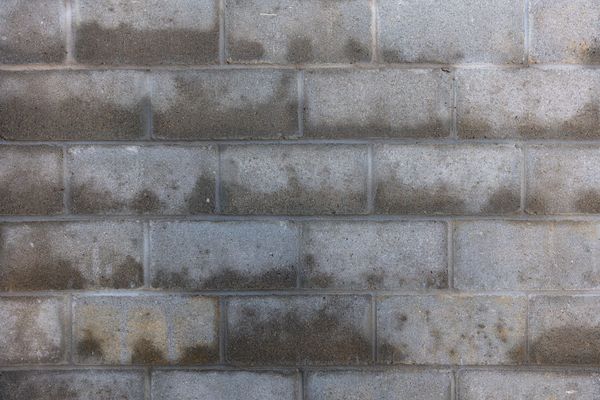
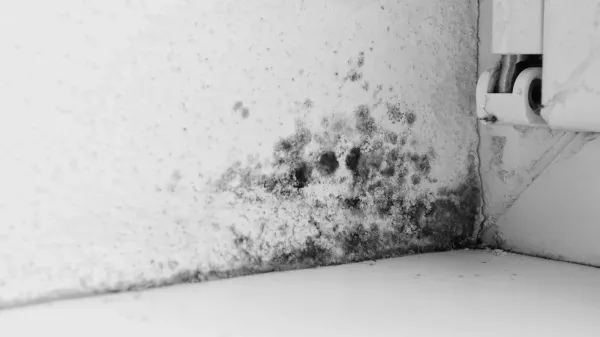
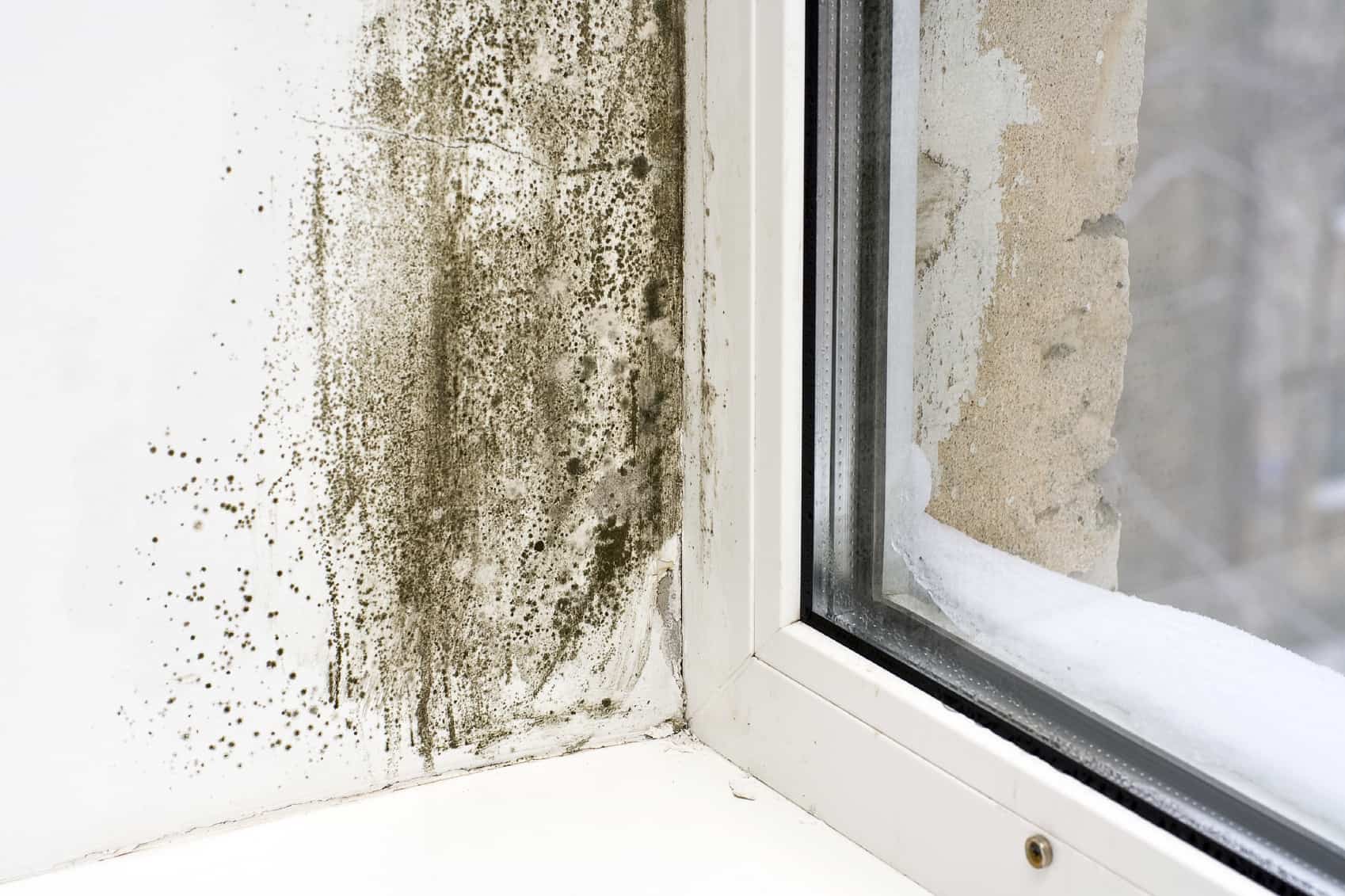
Condensation damp shows up as water droplets on windows, mirrors, or cold walls, often with black mould spots on ceilings, in corners, or around window frames. It tends to come and go with the seasons and gets worse in winter.
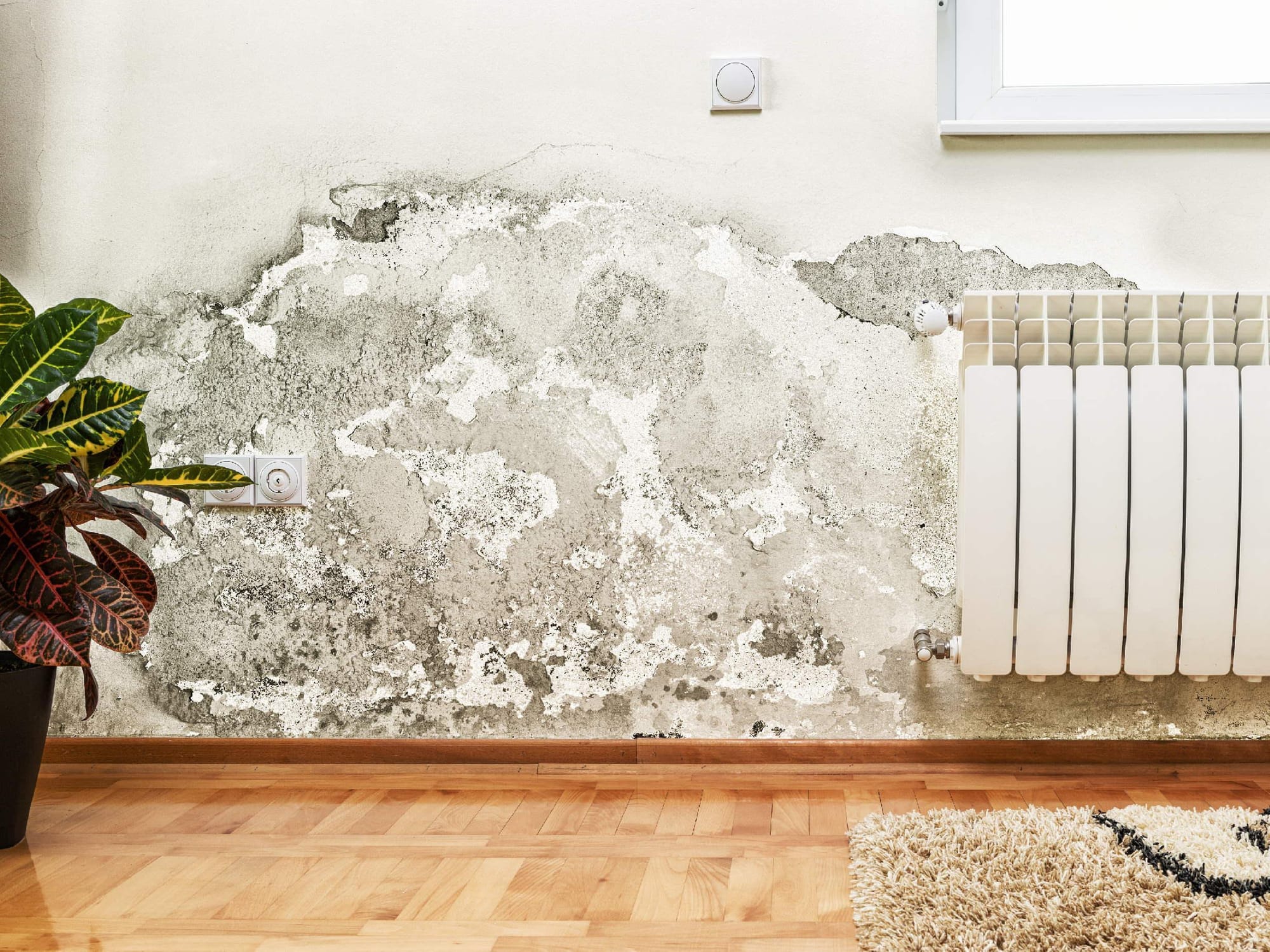
Penetrating damp is caused by water getting in from outside - through a cracked wall, a damaged roof, faulty guttering, or gaps around window frames. It shows up as a damp patch that doesn't move, often with a tide-mark edge, and it can appear at any height on a wall, not just near the floor.
Rising damp is less common than people think, but it happens when groundwater is drawn up through a wall by capillary action, usually because a damp-proof course has failed or was never installed. It's identified by a "tide mark" low on internal walls, typically no higher than a metre off the ground, and is often accompanied by a musty smell and crumbling plaster or skirting boards.
If you're dealing with condensation, the DIY steps below will make a real difference. If you suspect penetrating or rising damp, jump to the "When to Call a Professional" section - these usually need a proper repair, not just better ventilation.
DIY Fixes for Condensation
1. Get the ventilation right
This is the single biggest factor. Extractor fans in bathrooms and kitchens should be switched on during and for at least 15–20 minutes after cooking or showering — not just flicked off the second you're done. If your extractor fan is noisy, weak, or you're not sure it's working properly, hold a piece of tissue paper near the vent; if it isn't pulled towards the fan, it needs cleaning or replacing.
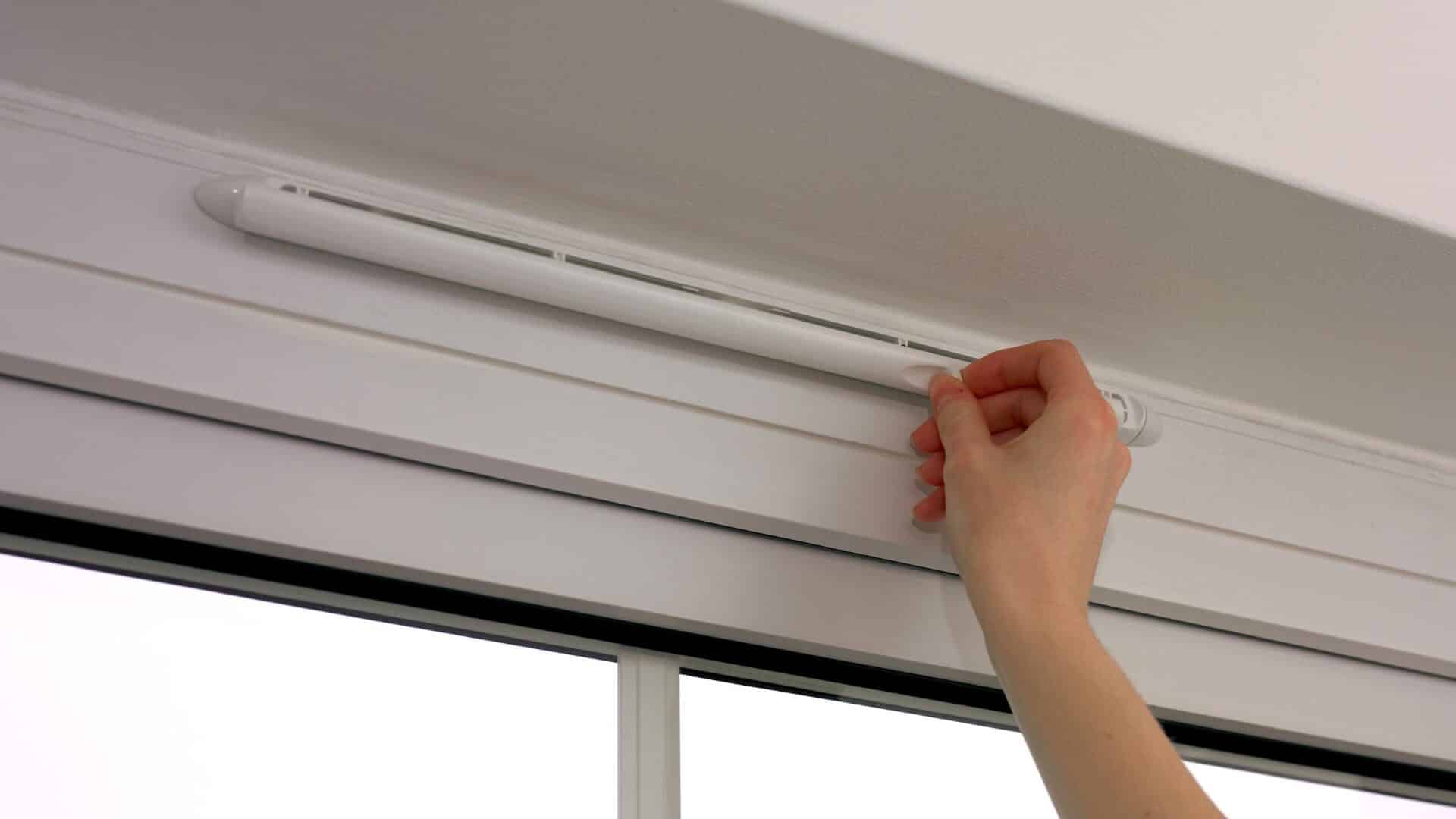
Trickle vents (the small slats built into the top of many modern window frames) should be left open, even in winter. It feels counterintuitive to let cold air in on purpose, but a small, constant flow of fresh air is far more effective at preventing condensation than sealing a room up completely.
2. Deal with moisture at the source
Dry laundry outside or in a room with the door shut and a window cracked open or an extractor running — an indoor airer in the middle of the living room is one of the biggest contributors to condensation in flats and smaller homes. If you use a tumble dryer, make sure it's vented outside or is a condenser/heat-pump model that collects water rather than releasing it into the room.
When cooking, use lids on pots to trap steam, and always run the extractor. In the bathroom, wipe down tiles and shower screens after use with a squeegee or cloth — it takes thirty seconds and removes a surprising amount of standing moisture before it has a chance to evaporate into the air.
3. Keep a consistent, moderate temperature
Cold walls attract condensation, so a home that swings between icy and blasting-hot encourages the problem more than one kept at a steady, moderate temperature throughout the day. You don't need the heating on constantly, even a low background level, rather than switching it off completely when you're out, keeps walls warm enough that moisture doesn't condense on them the moment you turn the heating back on.

4. Improve air circulation around furniture
Push wardrobes, beds, and sofas a few centimetres away from external walls rather than flush against them. Cold air can't circulate behind furniture that's touching the wall, which creates a cold, still pocket that's exactly where condensation and mould take hold. The same goes for curtains, leave a small gap between heavy curtains and the window so air can move.
5. Consider a dehumidifier
For homes with a persistent problem, older properties, flats with limited ventilation, or rooms that just never seem to dry out, a dehumidifier can make a noticeable difference. Run it in the worst-affected room and empty the tank regularly; you'll often be surprised how much water it pulls out of the air in a single day.
6. Treat existing mould properly
If mould has already appeared, don't just paint over it. Use a dedicated mould and mildew remover (or a diluted bleach solution for hard surfaces), following the product instructions and ventilating the room while you work. For fabric or plaster that's heavily affected, the mould needs to be fully treated and dried before any redecorating, or it will simply grow back under the new paint.
7. Add or check insulation
Poorly insulated walls and single-glazed windows are colder, and colder surfaces attract more condensation. Loft insulation, cavity wall insulation, or even secondary glazing on problem windows all raise the surface temperature of your walls and glass, reducing the amount of condensation that can form in the first place. This is a bigger job than the others on this list, but it addresses the root cause rather than managing the symptoms.
When to Call a Professional
- DIY ventilation and moisture-management fixes will solve the vast majority of condensation problems. But it's worth bringing in a specialist if:
- You're seeing penetrating or rising damp rather than condensation, tide marks, damp patches that don't respond to better ventilation, or damage near the base of walls usually point to an external repair issue (guttering, roofing, render, or a damp-proof course) rather than an airflow problem.
- Mould keeps returning to the same spot even after you've treated it and improved ventilation, this can indicate a hidden leak or a structural cold bridge that needs investigating.
- You notice a musty smell without visible mould, which can mean damp is present inside a wall cavity or under flooring where you can't see it.
- Anyone in the household has ongoing respiratory symptoms that seem to worsen at home - a damp and mould survey can identify issues that aren't yet visible on the surface.
- A qualified damp specialist or surveyor can identify the exact cause and recommend the right fix, which saves you spending money on measures that won't solve a problem that isn't actually condensation.
A Simple Seasonal Habit to Prevent It Coming Back
Condensation is rarely a one-off fix - it's a habit problem as much as a home problem. The households that stay on top of it tend to build a few small actions into their routine: running extractor fans without thinking about it, keeping trickle vents open through winter, wiping down bathroom surfaces after a shower, and doing a quick check of windows and corners once a week during the colder months so any new mould gets caught and treated early rather than left to spread.
Building this into a broader home maintenance routine, alongside checking gutters, testing smoke alarms, and other seasonal tasks, is one of the most effective ways to protect your home's condition (and your energy bills) without any major expense. If you'd rather not keep track of it all in your head, Planna can help you schedule and stay on top of tasks like this throughout the year, so nothing gets missed until it becomes a bigger, more expensive problem.
FAQs
Is condensation dangerous? Condensation itself isn't dangerous, but the mould it encourages can be. Black mould can trigger allergic reactions and respiratory irritation, particularly in children, older people, and anyone with asthma or a compromised immune system. It's worth treating promptly rather than leaving it.
Why is condensation worse in winter? Condensation forms when warm, moist indoor air meets a cold surface. In winter, external walls and single-glazed windows are much colder than the air inside, so moisture condenses on them more readily than it does in warmer months.
Will a dehumidifier fix condensation permanently? A dehumidifier manages the symptom rather than the cause. It's a useful tool alongside better ventilation and moisture management, but if the underlying airflow problem isn't addressed, condensation will usually return once you stop running it.
How do I know if it's condensation or rising damp? Condensation appears on cold surfaces like windows and external walls, often with mould in corners or around frames, and varies with the season. Rising damp appears as a tide mark low on internal walls (usually below a metre) and doesn't improve with ventilation, since it's caused by moisture drawn up from the ground rather than moisture in the air.
Can I paint over mould instead of removing it? No - painting over mould without treating it first traps moisture and mould spores under the new paint, and it will almost always come back through or alongside the fresh coat. Always clean and fully dry the area before redecorating.
Want help staying on top of damp? Planna's HomeScore checks your home's condition and sets tailored monthly tasks, so ventilation and damp checks don't get forgotten.