


Viewing a house is exciting and sometimes, that's exactly the problem. When you've fallen for the kitchen island and the south-facing garden, it's easy to miss the damp patch behind the sofa or the crack snaking up the gable wall. And with the average UK viewing lasting just 20–30 minutes, sellers and agents know that first impressions do most of the heavy lifting.
The good news? Most serious problems leave clues. You don't need to be a surveyor to spot them, you just need to know where to look, what to ask and when to dig deeper before you commit to an offer.
Here are 15 red flags to watch for at your next viewing, plus the questions that separate a savvy buyer from an easy sell.
1. Damp: the smell that sellers can't hide
Damp is one of the most common and most disguised problems in UK homes. Fresh paint on one wall, a strategically placed wardrobe or a plug-in air freshener working overtime can all be signs that someone is masking a problem rather than fixing it.
What to look for:
- A musty smell, especially in corners, cupboards and behind furniture
- Tide marks or staining on walls, particularly near skirting boards (rising damp) or ceilings (leaks)
- Bubbling or flaking paint and peeling wallpaper
- Condensation on windows and black mould around frames
What to ask: "Has the property ever had a damp-proof course installed or damp treatment carried out?" If the answer is yes, ask for the paperwork and any guarantees.
2. Cracks in the walls and knowing which ones matter
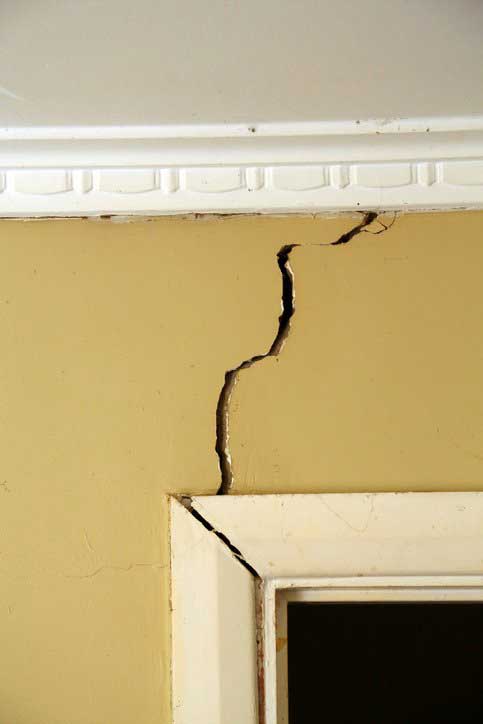
Hairline cracks are normal in almost every home; buildings move, plaster shrinks, and life goes on. But some cracks tell a more expensive story.
Warning signs of potential structural movement or subsidence:
- Cracks wider than a 10p coin (roughly 3mm)
- Diagonal cracks, especially around door frames and windows
- Cracks that appear both inside and outside in the same spot
- Doors and windows that stick or no longer close properly
- Visibly sloping floors
Subsidence doesn't automatically make a house a bad buy, many treated properties are perfectly sound but it affects insurance premiums and resale value, so you need to know what you're dealing with before you offer.
3. The roof: the most expensive thing you probably won't look at
Ask most buyers what they checked at a viewing and the roof rarely makes the list. Yet a full roof replacement on a typical UK semi can cost £5,000–£12,000, and even partial repairs run into the thousands.
From the ground (or the street), look for:
- Missing, slipped or cracked tiles and slates
- Sagging or uneven rooflines
- Damaged or crumbling chimney pointing
- Moss build-up, which traps moisture and accelerates wear
- Blocked, rusted or detached guttering
The frustrating truth is you can't safely get a proper look at a roof during a viewing and sellers know it. That's exactly the problem Planna is solving. Using AI and high-resolution aerial imagery, our app analyses your roof's condition, identifies the material type, and flags any defects. Because we also draw on historical imagery, we can spot emerging deterioration trends before they turn into costly repairs.
4. Dodgy electrics
Outdated or unsafe wiring is both a safety risk and a costly fix, a full rewire on a three-bed house typically costs £4,000 - £8,000.
Red flags:
- An old-style fuse box with rewire-able fuses instead of a modern consumer unit with circuit breakers
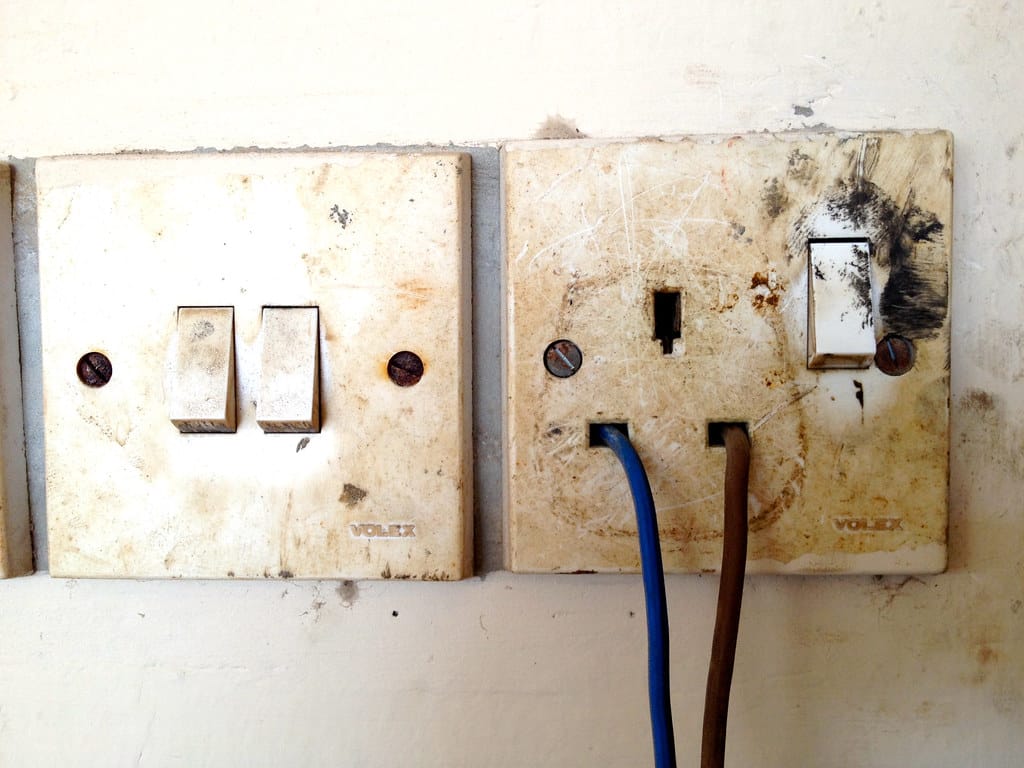
- Scorch marks or discolouration around sockets
- Very few sockets per room (a sign the wiring hasn't been touched in decades)
- Round-pin sockets or fabric-coated cables in older properties
What to ask: "When was the property last rewired, and is there an EICR (Electrical Installation Condition Report)?" Rental properties legally require one; owner-occupied homes don't, so many have never been inspected.
5. The boiler and heating system
The boiler is the heart of a UK home, and replacing one costs £2,000 - £4,500. During the viewing:
- Ask the boiler's age, anything over 10 - 12 years is approaching the end of its life
- Ask when it was last serviced and whether there's a service history
- Check radiators for cold spots (a sign of sludge in the system) and rust around valves
- Look at the hot water: run a tap if you can
A tired heating system isn't a dealbreaker, but it's a negotiating point and a budgeting one.
6. Poor energy performance
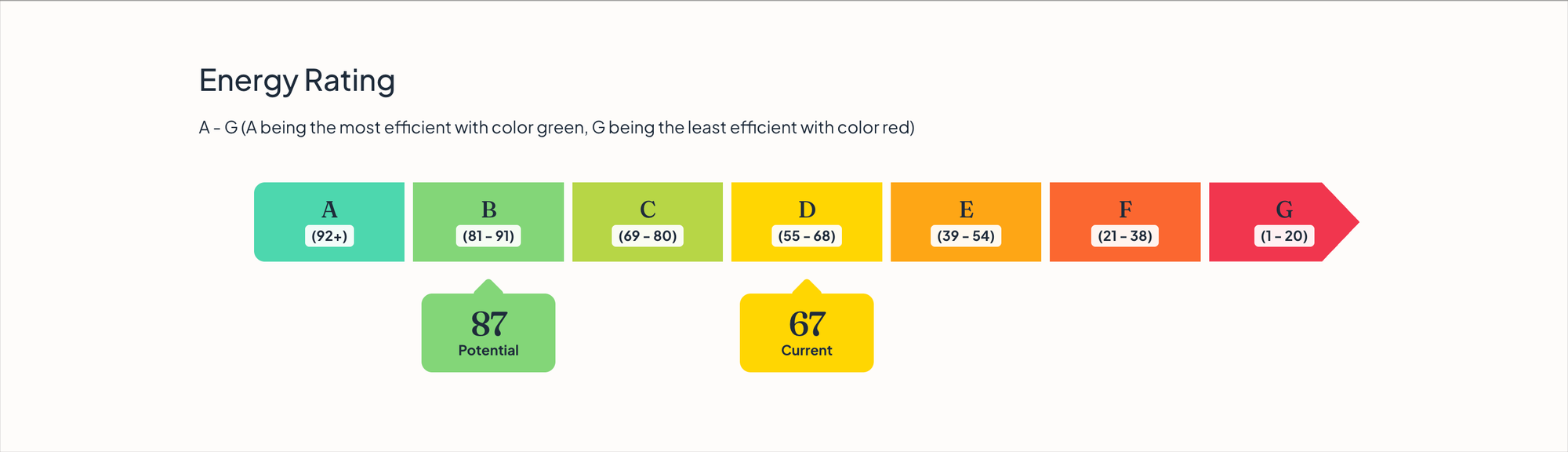
With energy bills still biting, a leaky home is a monthly cost, not just an abstract rating. Every listed property has an EPC (Energy Performance Certificate), but few buyers actually read it.
An EPC rating of E, F or G can mean hundreds of pounds a year in extra heating costs compared with a C-rated equivalent. Check the certificate for single glazing, uninsulated lofts, and solid walls without insulation and note the EPC's own estimate of potential savings from improvements. You can check out any properties EPC rating by using our property report tool
7. Signs of flooding
Flood risk is one of the biggest hidden costs in UK property - it affects insurance availability and premiums for the life of your ownership.
What to look for:
- Tide marks on external walls, garage walls or fences
- Airbricks that look new or recently replaced
- Flood defences like door barriers stored in the garage or shed
- A property noticeably lower than the road or close to a watercourse
What to do: Check the government's flood risk map for the postcode before you view, and ask the seller directly whether the property has ever flooded. You can also check the flood risk on our Home Report
8. The neighbourhood tells its own story
You're not just buying a house; you're buying a street, a postcode and a community. A perfect house in the wrong location is still the wrong buy.
During and after your viewing:
- Visit at different times - a quiet cul-de-sac at 11am can be a rat-run at 5:30pm
- Look at how neighbouring properties are kept
- Check parking pressure in the evening
- Research crime rates, school catchments, planned developments and transport links
Our neighbourhood guide is accessible via our app and will do all of legwork for you now, from house prices, safety, amenities, schools, healthcare, transport and much more into one place - take a look at our neighbourhood guide or download our Planna app to check out your neighbourhood.
9. Japanese knotweed and problem gardens
Japanese knotweed can damage foundations, drains and boundary walls and its presence must be declared when selling. Look for bamboo-like stems, shield-shaped leaves and dense clumps of growth, particularly along fences and boundaries. Treatment programmes cost £2,000 - £5,000 and can complicate mortgage approval with some lenders not accepting properties which have japanese knotweed present.
Also glance at large trees close to the house (root damage and subsidence risk on clay soils) and any garden structures, a collapsing retaining wall is your expensive problem the day you complete.

10. Freshly painted... everything
A well-presented house is normal. A house where one ceiling, one wall or one corner has been painted very recently, especially if the rest hasn't - that deserves a closer look. Sellers repaint for two reasons: to freshen up, or to cover up. Water stains, mould and cracks all disappear under a coat of emulsion, at least temporarily.
Run your hand over suspiciously fresh areas. Cold, slightly damp plaster under new paint is a giveaway.
11. Poor water pressure and plumbing problems
Turn on taps. Flush the toilet. Run the shower if you can. It takes 60 seconds and reveals:
- Weak water pressure (potentially a supply issue or failing pump)
- Slow drainage (blocked or damaged pipes)
- Banging or knocking pipes
- Lead pipework in pre-1970s homes, which should be replaced.
Ask whether the property has ever had plumbing leaks and where the stopcock is, a seller who doesn't know may not know much else about the house either.

12. Signs of pests
Droppings in the loft or under the sink, gnawed cables or skirting, small holes in woodwork (woodworm), and that distinctive ammonia smell of mice are all worth noting. Pest problems are usually fixable, but woodworm in structural timbers or a long-term rodent issue can point to bigger questions about how the property has been maintained.
13. Awkward alterations and missing paperwork
That loft conversion or extension might be lovely — but was it done properly?
What to ask:
- Was planning permission obtained (where needed)?
- Is there a building regulations completion certificate?
- Are there FENSA certificates for replacement windows?
- Is there a Gas Safe certificate for boiler installation?
Unauthorised or uncertified work can delay your purchase, complicate your mortgage and become your legal problem after completion. If the paperwork doesn't exist, indemnity insurance is sometimes a workaround, but it's a red flag about the seller's general approach.
14. The seller's story doesn't add up
Some of the most useful information at a viewing isn't in the walls - it's in the answers.
Questions worth asking:
- "Why are you selling?" (Evasive answers are telling)
- "How long has the property been on the market?" (Long listings suggest problems or overpricing — check the listing history online)
- "Have there been any offers?" (And if so, why did they fall through? A collapsed sale after a survey is a major flag)
- "What are the neighbours like?" (Disputes must be declared on the TA6 form, so a hesitation here matters)
15. Your own gut feeling
Finally: trust the itch. If something feels off, the agent rushing you through one room, a seller hovering nervously by a particular wall, a smell nobody mentions then it usually means something. You're about to make the biggest purchase of your life. You're allowed to ask awkward questions, book a second viewing, and take your time.
Do your homework before the viewing, not after
The buyers who negotiate best are the ones who arrive informed. Before you book a viewing, you can now check a property information quickly using our Planna Home Report. Ten minutes of research before the viewing tells you which of these red flags to hunt for and gives you the confidence to ask the questions sellers hope you won't.
Because the best time to find a problem is before you've made an offer, not after you've picked up the keys.
Thinking of making an offer? Get a free HomeScore report for any UK property.