


The UK is about to undergo a significant shift in how we understand, assess, and manage flood risk in our homes. Flood Re, the government-supported reinsurance scheme, has announced plans to introduce Flood Performance Certificates (FPCs) across Britain, a game-changing initiative that promises to transform flood insurance affordability and encourage homeowners to invest in resilience measures that can save lives and protect their properties.
If you own a property in the UK, or you're thinking about buying one, this news matters to you. Here's everything you need to know about this emerging certification system and what it could mean for your wallet, your home, and your peace of mind.
What Are Flood Performance Certificates?
Flood Performance Certificates are a new certification system designed to give homeowners and renters a clear, trusted assessment of their property's flood resilience. Think of them as the flood-risk equivalent of the Energy Performance Certificate (EPC).
The concept is straightforward: just as an EPC rates your home's energy efficiency on a scale from A to G, an FPC would assess and rate your property's ability to withstand, recover from, and bounce back after flooding. This "flood resilience" rating would become a transparent, credible measure that lenders, insurers, and homeowners can all understand and act upon.
Flood Re says the FPC would become a "trusted assessment of a property's flood resilience," and crucially, it plans to use these certificates to reward homeowners who take practical steps to protect their homes. This represents a fundamental shift from simply pricing insurance based on post-code flood risk to acknowledging and incentivizing the active steps people take to reduce that risk.
Why Do We Need Flood Performance Certificates?
To understand why FPCs are such an important innovation, it helps to know the current landscape of flood risk in Britain.
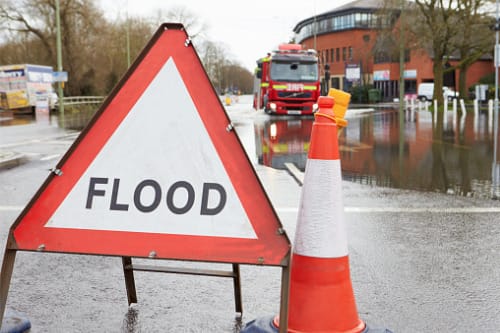
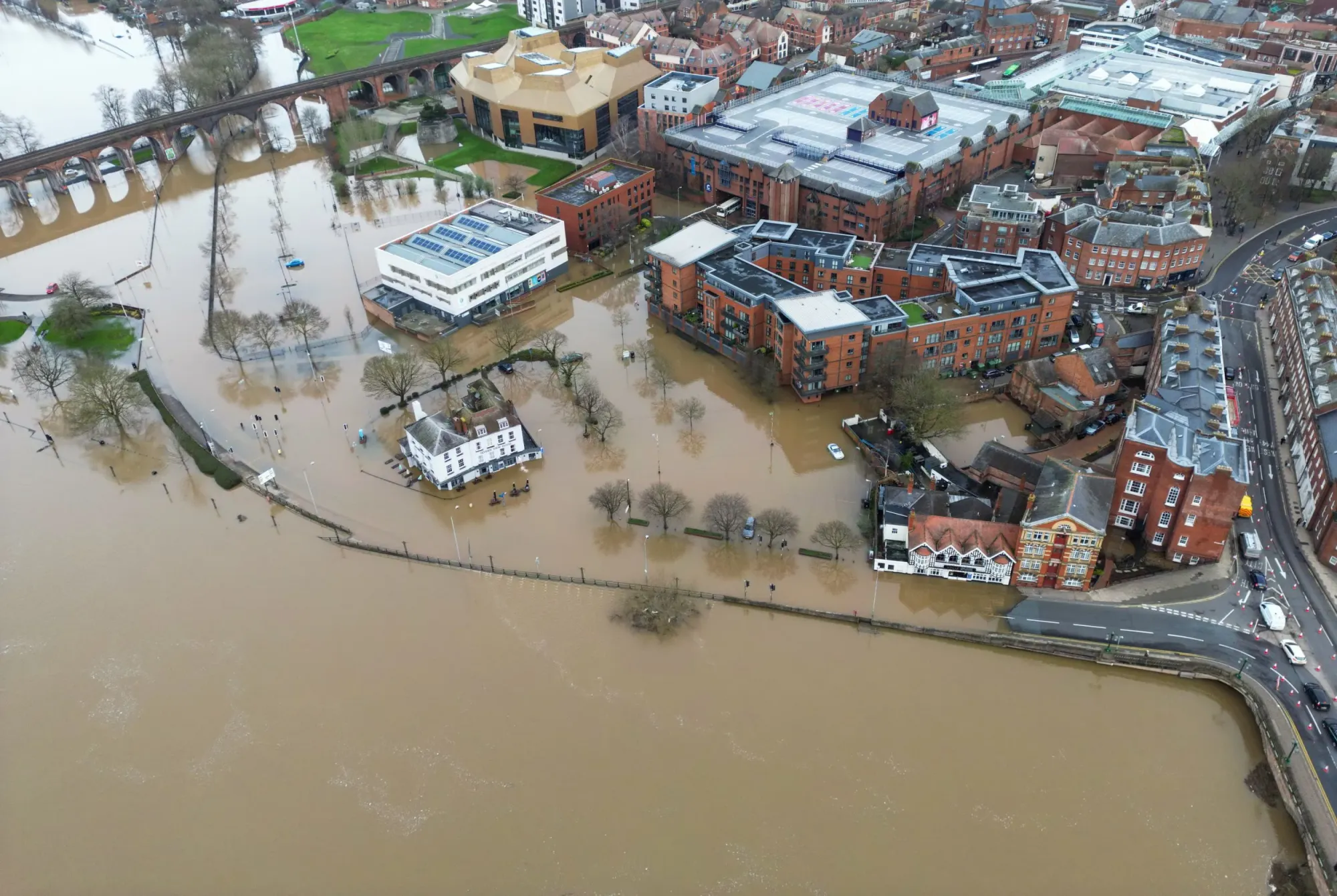
Flooding has become an increasingly serious challenge for UK homeowners. Climate change is intensifying rainfall events, and aging drainage infrastructure in many areas struggles to cope with the volume of water. According to recent data, approximately 5.2 million properties in England alone are at risk of flooding, whether from rivers, surface water, or coastal sources.
The human and financial costs are staggering. Each major flood event leaves families displaced, businesses destroyed, and communities traumatized. Beyond the immediate devastation, homeowners in flood-risk areas face a second challenge: accessing affordable insurance. Many insurers have withdrawn from high-risk postcodes entirely, while others charge premiums so high they're out of reach for ordinary families.
This is where Flood Re comes in. Established in 2013, Flood Re provides a safety net—a reinsurance scheme that helps insurers manage the risk of flood claims, which in turn helps keep insurance available and affordable for people in higher-risk areas. However, even with Flood Re's support, the cost of flood insurance remains a burden, particularly for lower-income households and renters.
The introduction of FPCs addresses a critical gap in this system. Currently, the insurance market treats all properties in a high-risk flood postcode largely the same way, regardless of whether they're in a flood-resilient building or a vulnerable one. A homeowner who's invested thousands in flood doors, raised electrics, and resilient materials pays the same rate as a neighbor who's done nothing. This creates a perverse incentive: why spend money on protection if you're not going to be rewarded with lower premiums?
FPCs change this dynamic by making resilience measurable, verifiable and rewarded.
How Flood Performance Certificates Will Work
Flood Re has based the FPC model on the success of EPCs, which have become embedded in the property market since their introduction. Here's what you need to know about how they'll likely function:
Assessment and Rating
Like EPCs, FPCs would assess a property and assign it a rating or band. The exact banding system hasn't been finalized, but the principle is clear: properties that are more resilient to flooding would receive better ratings.
The assessment would likely evaluate factors such as:
- The property's elevation and positioning relative to flood risk
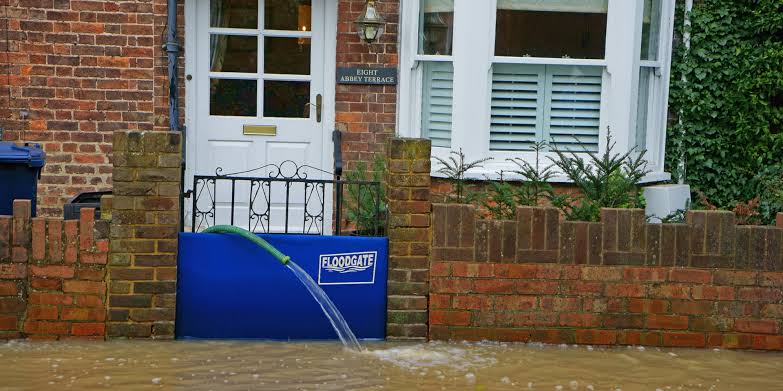
- Physical resilience measures already in place (flood doors, air bricks, damp-proof membranes, raised electrics)
- Whether the property has a flood resilience plan
- The quality of drainage on the property
- Proximity to flood defenses
- Building construction type and materials
Who Will Need One?
While Flood Re hasn't yet specified whether FPCs will eventually become mandatory like EPCs, the initial rollout will likely be voluntary, with incentives to encourage uptake. Over time, it's reasonable to expect they could become a requirement when properties are sold or let, particularly in areas with higher flood risk.
How They'll Impact Insurance Pricing
This is the crucial part. Flood Re has committed to offering discounts for households that obtain an FPC or complete an equivalent self-assessment. The idea is simple but powerful: if your FPC shows your home is more resilient, your insurance should cost less.
This creates a direct financial incentive for homeowners to make their properties more flood-resistant. Instead of viewing resilience measures as an expense that won't be recouped, homeowners can see them as investments that will reduce their insurance premiums.
Financial Benefits: Discounts and Premium Reductions
Beyond the incentives tied to FPCs themselves, Flood Re has announced several new measures designed to ease the insurance burden, particularly for lower-income households.
Premium Reductions for Bands A and B
Perhaps the most significant announcement is the planned reduction in premiums for contents-only insurance policies in council tax bands A and B. Starting in April 2027, Flood Re plans to cut the premium it charges insurers for these policies from £52 to £25 - a reduction of more than half.
This is substantial. Council tax bands A and B represent the lower-value properties in the UK and are typically occupied by lower-income households and renters. These are exactly the households that are most vulnerable to the financial devastation of flooding but least able to afford high insurance premiums.
Flood Re explicitly states it expects insurers to pass these reduced costs on to customers, which should translate into noticeably cheaper flood insurance for millions of people.
The Fairness Question
Why is Flood Re making this move now? The answer lies in some uncomfortable truths about the current system.
Perry Thomas, Chief Executive of Flood Re, revealed that the scheme is increasingly subsidizing higher-value properties. Paradoxically, despite higher-value properties in bands G and H representing less than 4% of UK homes, Flood Re has spent more on repairing homes in these bands than on homes in bands A and B, which comprise 45% of the housing stock.
What's happening is this: while high-value properties have lower flood frequency on average, when they do flood, the cost of repairs and rebuilding is enormous. Meanwhile, many lower-value properties are in high-risk areas and flood frequently, but the repair costs, while significant to individual homeowners, are smaller in absolute terms.
This has created a system where the scheme, funded by a tax on all home insurers is effectively redistributing money from lower-income households to higher-income ones. Flood Re is right to correct this imbalance.

The Build Back Better Initiative
Alongside FPCs and premium reductions, Flood Re is strengthening its Build Back Better (BBB) programme - an initiative that provides crucial support to homeowners in the recovery phase after flooding.
What Is Build Back Better?
The BBB programme offers homeowners up to £10,000 towards measures that increase resilience when homes are restored after flooding. Rather than simply rebuilding to the pre-flood standard, BBB encourages and financially supports homeowners to rebuild better, incorporating resilience measures that will protect them if floods happen again.
These might include:
- Installing flood doors and barriers
- Raising electrical wiring and appliances above expected flood height
- Using flood-resistant materials and finishes
- Installing one-way valves to prevent backflow
- Creating better drainage solutions
- Lifting boilers and heating systems
- Using resilient plasterboard and insulation
The Incentive Structure
Flood Re is now boosting this scheme by incentivising insurers to offer it to all flood-affected households. From Flood Re's perspective, this creates a virtuous cycle: when homes are rebuilt more resilient, future flood claims are smaller, which benefits the entire system.
To encourage participation, Flood Re is implementing lower claims caps when insurers offer BBB support. This financial incentive makes it in the insurers' commercial interest to help homeowners rebuild better aligning profit motives with resilience.
What This Means for Different Groups of Homeowners
The changes Flood Re is announcing will impact different types of households in different ways:
Lower-Income Homeowners and Renters
These are the big winners. The premium cuts for bands A and B could mean savings of £27 or more per year for contents-only policies, which might not sound dramatic until you consider that some low-income households are already paying premiums of £1,000+ annually. Every saving helps when you're living month to month.
Additionally, if you're a homeowner in a flood-risk area in bands A or B, you're more likely to have invested in resilience measures simply out of necessity and self-preservation. An FPC could finally reward those investments with lower insurance rates.
Mid-Range Properties (Bands C-F)
For these properties, the main benefit comes through FPCs. If you own a property in this range and are willing to invest in resilience measures—whether that's installing flood doors, raising electrics, or improving drainage—an FPC could quantify these improvements and unlock insurance discounts. The payback period on a £2,000 resilience investment becomes much shorter if it reduces your annual insurance premium by £100 or more.
Higher-Value Properties (Bands G-H)
These properties face higher insurance premiums, but they also have more financial capacity to invest in resilience measures. For them, an FPC becomes a way to demonstrate that they're taking the problem seriously and potentially offset some of the higher premiums. However, it's worth noting that Flood Re is explicitly tightening the subsidy available for high-value properties, which means premiums for bands G and H are likely to rise.
The Bigger Picture: Climate Change and the Future of Flood Risk
It's important to understand these changes in the context of climate change. Flood risk in the UK isn't static, it's increasing. Climate models suggest that by the 2050s, the annual probability of significant flooding could triple or quadruple in some areas.
This puts enormous pressure on the flood insurance system. As climate change drives up claims, the cost of insuring against flood risk naturally rises. Flood Re and the government are trying to manage this through a combination of affordability measures (the premium cuts) and resilience incentives (FPCs and BBB). The logic is sound: if we can help people reduce their vulnerability to flooding, we reduce the overall cost burden on the system.
However, for some people in the most vulnerable locations, insurance costs may eventually become unsustainable regardless of resilience measures. This is why other government initiatives—such as investment in flood defenses and nature-based solutions like wetland restoration—are equally important.
What Homeowners Should Do Now
If you own a property in a flood-risk area, here are some practical steps:
- Understand Your Risk: Use the Environment Agency's online flood maps to determine your actual flood risk. Don't assume postcode alone determines your risk—specific location matters.
- Invest in Resilience Now: Consider implementing resilience measures before FPCs become standard. Not only will they protect your home, but they'll put you in a strong position when FPCs roll out. Focus on practical, cost-effective measures: flood doors, air bricks and raised electrics.
- Keep Records: Document any resilience measures you've installed. When FPC assessors arrive, they'll want to see evidence.
- Monitor the FPC Rollout: Stay informed about when and how FPCs will be introduced in your area. Early adopters may benefit from better rates when the system launches.
- If You Flood: Take full advantage of the Build Back Better scheme to rebuild more resilient. The £10,000 grant can significantly reduce the cost of making your home more flood-resistant.
- For Renters: Ensure your contents insurance includes flood cover, and take advantage of the lower premiums in bands A and B if you're moving into a lower-cost property.
Conclusion
Flood Performance Certificates represent a meaningful shift in how the UK approaches flood risk. By making resilience measurable and rewarding it with lower insurance costs, FPCs align individual incentives with collective need. They acknowledge that flood risk isn't just something that happens to communities—it's something communities can actively reduce through smart choices about their homes.
Combined with premium reductions for lower-income households and the expansion of Build Back Better, Flood Re's new initiatives suggest a system moving toward greater fairness and sustainability. They won't solve the flood crisis—that requires investment in defenses and adaptation to climate change—but they represent meaningful progress.
Download our app and head to our Weather & Climate page in our Neighbourhood Guide to check out your flood risk.