


Only 40% of UK homes have an EPC rating of C or above. Here's what you need to know about green mortgages, lender requirements, and why energy efficiency is now a dealbreaker for buyers and banks.
The EPC Reality Check
You're browsing for a home online. You find a home you love. The price is right. The location is perfect. Then you see it: EPC rating G.
Suddenly, three things happen:
- Your mortgage lender gets nervous
- Your insurance costs spike
- Your resale value just took a hit
Welcome to 2026, where your property's energy rating is no longer a nice-to-have, it's becoming a financial straitjacket.
Here's the uncomfortable truth: only 40% of UK homes currently have an EPC rating of C or higher. That means 60% of the housing stock is increasingly difficult to finance, insure and sell. And lenders know it.
What's A Green Mortgage (And Who Actually Qualifies?)
Let's start with the basics, because "green mortgage" sounds fancy but it's actually straightforward.
A green mortgage isn't some special eco-friendly loan backed by solar panel funds. It's simply a mortgage product where the lender offers you a financial incentive, such as lower interest rates, cashback, or higher borrowing capacity, if you own (or buy) an energy-efficient home, or if you make energy efficiency improvements.
The three types:
- Lower rates for efficient homes: You buy or remortgage into a property with an EPC rating of A or B (sometimes C). You get a discount on your mortgage rate.
- Cashback for improvements: You remortgage or get a buy-to-let deal, and the lender offers cashback or additional borrowing (up to £25,000 in some schemes) if you commit to energy upgrades.
- Preferential rates for new builds: You buy a new-build property with A or B rating EPC and qualify for a better rate than standard mortgages.
Who's offering them? To name a few: Lloyds, NatWest, Nationwide, and dozens of smaller lenders. More than a dozen banks and building societies now have green mortgage products.
The catch? The vast majority require your home to have an EPC rating of A or B. Some lenders are starting to accept C ratings, but they're the exception, not the rule.

The Energy Efficiency Gap Is Real and It's Getting Expensive
Here's where it gets uncomfortable.
A family of four living in a 'G' rated property (the worst energy efficiency rating) is assumed by mortgage lenders to spend £200 per month on heating and fuel bills. That same family in an 'A' rated home? They're budgeted at £50 per month.
That's not just a comfort issue. That's £150 a month difference or nearly £1,800 a year – that lenders factor into your affordability assessment. And that directly affects how much you can borrow.
People living in older, inefficient homes are already paying more to power them. Research from the Home Builders Federation shows that people in older homes pay approximately 27% more to heat their properties compared to those in new builds.
Now add to that:
- Insurance premiums are higher in lower-rated properties
- Mortgage rates are steeper if you can get a mortgage at all
- Resale value is compromised - properties with poor EPC ratings are harder to sell and take longer on market
- Buyers are increasingly asking about it - energy efficiency is now a standard question, not a nice-to-know
If you're selling a property with a low EPC rating, you're fighting an uphill battle. If you're buying one, you're locking yourself into higher lifetime costs.
Why Lenders Are Getting Serious About EPC Ratings
In autumn 2023, the government quietly dropped its proposed mandatory target: all homes should reach EPC band C by 2030. The reason? It was too expensive for households to stomach.
But here's the thing - lenders didn't listen. They continued anyway.
Nationwide Building Society and NatWest both made public pledges to ensure 50% of their mortgage customers' homes achieve EPC rating C or above by 2030. That's not a suggestion. That's a directive shaping how they lend.
Why? Because energy-efficient homes are lower-risk mortgages. A home that doesn't cost £200 a month to heat is:
- Less likely to default (cheaper to run means better affordability ratios)
- Easier to insure
- More attractive to future buyers (better resale value)
- Aligned with climate regulations lenders are increasingly scrutinized on
The regulatory pressure is real. The Bank of England and financial watchdogs are pushing lenders to account for climate risk. Energy efficiency is the easiest climate metric to price.
The Hard Questions Every Homeowner Should Ask Right Now
If you're selling:
- What's your actual EPC rating? (Download our app to check what yours is and how to improve it)
- How much will that rating suppress your asking price?
- Is it worth investing in quick wins (loft insulation, heating system upgrade) to move from G→F or F→E before listing?
If you're buying:
- Are you factoring the cost of energy upgrades into your offer?
- Can you get a mortgage on a low-rated property, and at what cost?
- Is the "bargain" actually a bargain when you factor in £200/month fuel bills?
If you're remortgaging:
- Could you access a green mortgage rate if you made some improvements?
- How much could you save vs. a standard rate?
What This Means For Property Valuation (And Your HomeScore)
Here's where we get specific about how energy efficiency feeds into property value.
Your property's energy performance isn't separate from its value – it's increasingly central to it. A surveyor valuing a property now considers:
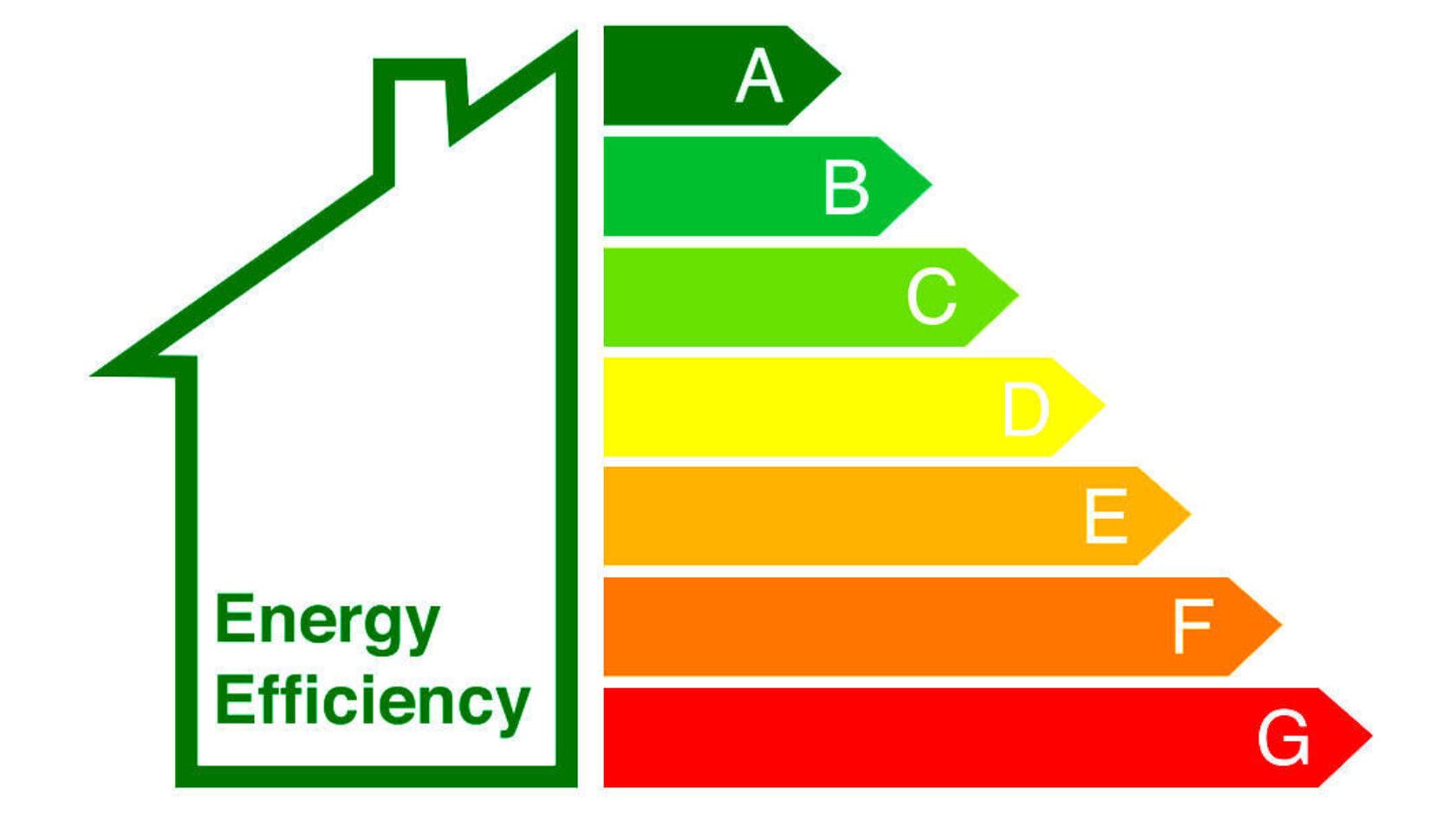
- Energy Performance Certificate rating (A–G scale)
- The cost to operate the home (heating, cooling, electricity)
- Insurance and mortgage availability (how easy is it to finance this property?)
- Resale potential (will the next buyer be able to get a mortgage?)
When we talk about HomeScore's Energy pillar, we're measuring exactly this: how efficient is the property to run, and what does that mean for affordability and value?
A home with:
- Poor insulation
- An old, inefficient boiler
- No double glazing
- Single-pane windows
...isn't just uncomfortable. It's a financial liability that compounds every year you own it.
The Practical Path Forward
If you're in a low EPC-rated property and not planning to move: Start small. Loft insulation is typically the fastest ROI (return on investment). A heating system upgrade can bump you from G→E or F. These improvements:
- Reduce your actual fuel bills immediately
- Improve your EPC rating, affecting resale value when you do sell
- May qualify you for a better mortgage rate if you remortgage
If you're buying: Download our app - get an instant report here, if you then want reassurance - a surveyor's report that specifically flags energy performance could be a good idea. Factor upgrade costs into your offer. Sometimes a "cheaper" property with poor energy efficiency is more expensive over 5–10 years.
If you're remortgaging: Ask your broker about green mortgage options. Even a 0.5% rate discount adds up to significant savings if your property qualifies.
If you're selling: Know your EPC rating before listing. If it's low, consider strategic improvements or be realistic about pricing. Buyers are asking these questions - being upfront saves time.
Why This Matters Beyond Mortgages
The EPC rating conversation isn't really about mortgages. It's about:
- Climate risk. Homes that cost less to heat contribute less to carbon emissions. Lenders are increasingly pricing climate risk into their decisions.
- Affordability. Energy costs are a major household expense, and they're rising. A home that's cheap to run is more affordable long-term.
- Equity. Lower-income households are disproportionately affected by energy-inefficient homes. A £200/month fuel bill in a low-income neighbourhood is a serious problem.
- Resale value. Generational shift. Younger buyers care about energy efficiency more than their parents did.
The Bottom Line
By 2026, your EPC rating isn't a peripheral concern. It's a primary factor in:
- Whether you can get a mortgage (and at what rate)
- How much you can borrow
- How easy it is to sell
- How much you'll spend on fuel bills every year
The threshold is real: A or B for green mortgages; C is increasingly the minimum to avoid serious friction.
If your property is rated D or lower, you're not in crisis, but you're in a deteriorating position. The question isn't if this will matter – it's when.
Ready to Understand Your Property's Real Value?
Understanding where your property stands – on energy efficiency, structural condition, and true market value – is the first step to making confident decisions.
HomeScore provides a comprehensive property assessment across Safety, Condition, and Energy. It's designed to give you a clear picture of what a property is really worth, and what it'll cost to own and improve.
Whether you're buying, selling, remortgaging, or just want to know where you stand, knowing your property's real scoring position takes the guesswork out of major financial decisions.
Learn More About HomeScore | Instant Home Report
Key Takeaways
- Only 40% of UK homes have an EPC rating of C or above; 60% face increasing friction in the mortgage and insurance markets
- Green mortgages offer lower rates, cashback, or higher borrowing for A or B-rated homes
- Energy inefficiency costs real money: a G-rated home costs ~27% more to heat than a new build
- Lenders (Nationwide, NatWest, others) are actively using EPC ratings in underwriting and pricing decisions
- If you're selling, buying, or remortgaging, your property's energy rating is now a primary financial factor, not a secondary one
- Small improvements (insulation, boiler upgrades) can have outsized impact on rating and resale value


