


The Renters' Rights Act Is Now in Force:
On 1 May 2026, the biggest shake-up to the private rented sector in almost 40 years officially came into force. The Renters' Rights Act has landed, and with it, the rules of the game for England's landlords have fundamentally changed.
If you're a landlord, you've probably seen the headlines: Section 21 "no-fault" evictions are gone, fixed-term tenancies have been replaced by rolling periodic agreements, and rent increases are now capped at once a year. And that's just phase one. Waiting in the wings are a national landlord database, a new Private Landlord Ombudsman, an extension of Awaab's Law to private rentals, and a legal requirement for every rented home to reach EPC rating C by 2030.
It's a lot. But here's the thing: the landlords who will thrive under the new regime aren't the ones scrambling to react. They're the ones who treat this as a prompt to get properly organised and to know their properties inside out, document everything, and get ahead of the condition and energy standards that are coming down the track.
In this guide, we'll break down exactly what's changed, what's coming next, and the practical steps every landlord should be taking right now - including how data tools like Planna's HomeScore and Home Report can take most of the heavy lifting off your plate.

What changed on 1 May 2026?
Let's start with what's already live. The first phase of the Renters' Rights Act introduced seven headline changes that affect virtually every private tenancy in England.
1. Section 21 evictions are banned - for good
The most significant change by far. Landlords can no longer evict tenants without giving a valid reason. Section 21, the mechanism that allowed landlords to end a tenancy with two months' notice and no explanation, has been abolished entirely.
That doesn't mean you can never regain possession of your property. You still can, but only on specific legal grounds, such as selling the property, moving in yourself (or a close family member), serious rent arrears, or anti-social behaviour. The government has also committed investment in the courts to speed up the possession process for legitimate claims.
What this means in practice: every possession claim now needs evidence. If you're relying on rent arrears, you need clean payment records. If you're citing property damage or anti-social behaviour, you need documentation - ideally dated, photographic, and backed by inspection records. The days of "just serve a Section 21 and move on" are over. Our Planna App includes a vault, where you are able to store these important documents with photographs for you to be able to rely on, should you need.
2. Fixed-term tenancies are gone
All private tenancies now roll on a periodic basis - month to month or week to week, with no fixed end date. Tenants can leave whenever they like with two months' notice. There's no more locking someone into a 12-month contract.
For landlords, this changes how you think about void risk and tenant retention. You can no longer rely on a fixed term to guarantee income for a set period. The best protection against churn is now simple: a well-maintained property, fairly priced, that tenants genuinely want to stay in.
3. Rent can only rise once a year and tenants can challenge it
Rent increases are now limited to once every 12 months, and tenants have the right to challenge rises they believe are unfair. Tribunals will look at market evidence, so any increase you propose needs to be defensible with comparable local data.
4. Bidding wars are banned
You must advertise your property at a fixed asking rent and you cannot accept offers above it. This puts real pressure on getting your initial pricing right — underprice and you leave money on the table for the entire tenancy; overprice and you face longer voids.
5. One month's rent upfront, maximum
Landlords can no longer request multiple months of rent in advance. Combined with the deposit cap already in place, this means your financial screening of prospective tenants matters more than ever — referencing, affordability checks and guarantors are now your main tools.
6. Discrimination against benefit recipients and families is illegal
You cannot refuse a tenant simply because they receive benefits or have children. Blanket "No DSS" policies are unlawful. Selection decisions must be based on legitimate criteria like affordability and references.
7. Tenants can request pets — and you must consider it reasonably
Renters now have the right to ask to keep a pet, and landlords must give the request reasonable consideration. You can't issue blanket refusals, though you can decline where there's a genuine justification (for example, a head lease that prohibits pets).

What's coming next: phase two and beyond
Phase one was about tenancy rights. Phase two - rolling out from late 2026 onwards is about property standards, accountability and transparency. This is where the real operational work begins for landlords, and where getting ahead now will pay off.
The Private Rented Sector Database (from late 2026)
A national register of all landlords and rental properties in England will be rolled out gradually by area from late 2026. Tenants will be able to look up their landlord and check they're properly registered. In practice, this means your compliance record becomes visible. Gas safety certificates, electrical reports, EPCs, licensing, you can expect all of it to be increasingly scrutinised, and expect councils to use the database to target enforcement.
A new Private Landlord Ombudsman
An independent ombudsman will give tenants a free, binding route to resolve complaints without going to court. Importantly, it will also support landlords with guidance and training on handling complaints early. Landlords with good records and responsive maintenance processes have little to fear here; those who let issues fester do.
Awaab's Law extended to private rentals
The government is consulting on extending Awaab's Law — which forces social landlords to fix serious hazards like damp and mould within strict timeframes — to the private rented sector. When this lands, "I'll get to it next quarter" will no longer be a legally acceptable answer to a Category 1 hazard. Landlords will need systems for identifying hazards before tenants report them, and audit trails proving they acted quickly.
EPC C by 2030
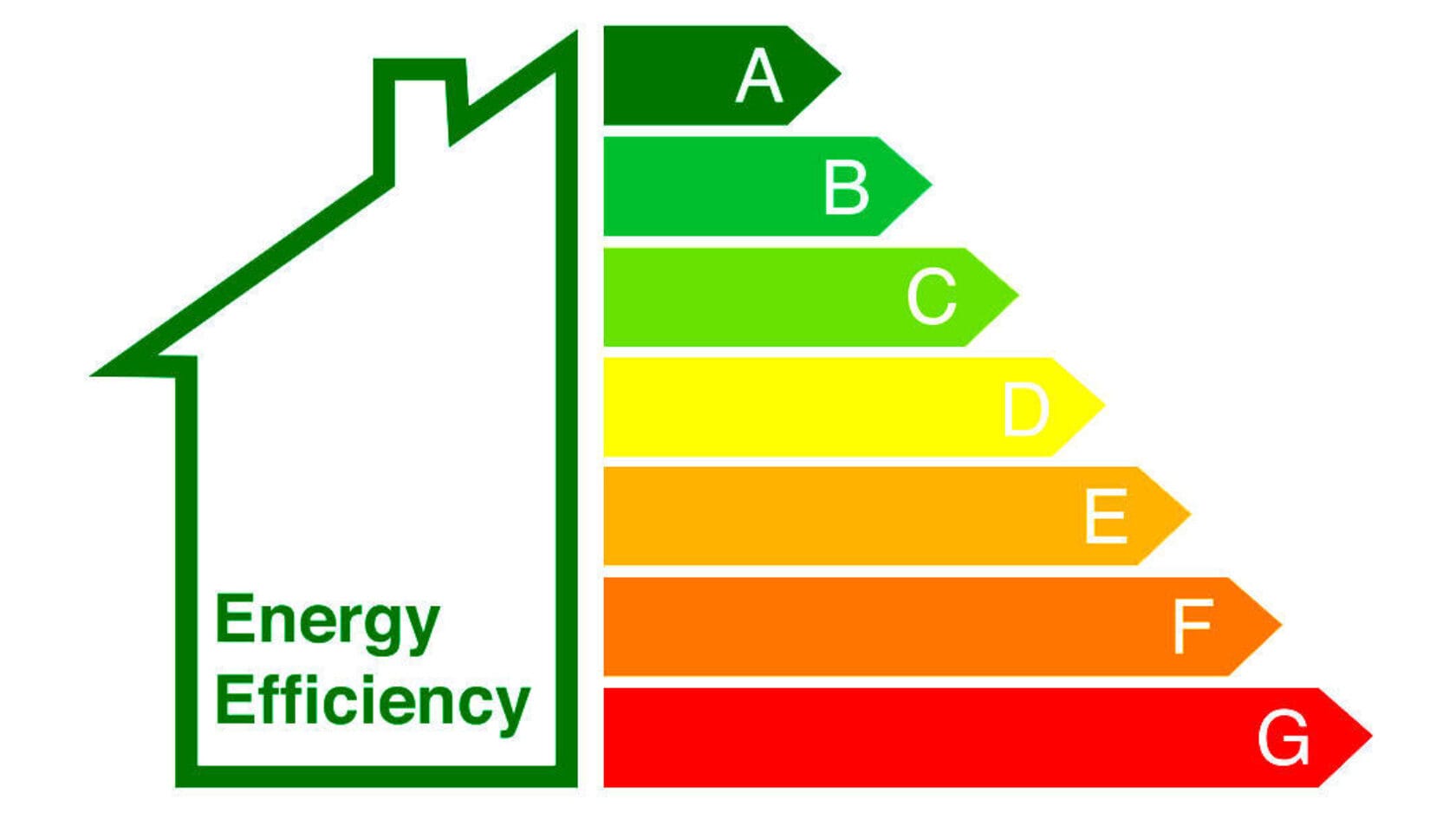
By 2030, all privately rented homes in England must achieve an EPC rating of C or better unless exempt. With roughly half of England's private rented stock currently sitting at EPC D or below, this is arguably the single biggest financial obligation in the entire Act. Insulation, heating upgrades, glazing, solar — for many landlords, this means four-figure or five-figure investment per property, and 2030 is closer than it feels.
The silver lining: energy-efficient properties command stronger rents, suffer fewer voids, and increasingly unlock green mortgage products with preferential rates from major lenders.
A Decent Homes Standard for private rentals by 2035
For the first time, private rentals will be held to a formal Decent Homes Standard - a clear baseline covering safety, warmth and state of repair, with councils given stronger powers to act against landlords who fall short.
The landlord action plan: what to do now
So what should you actually be doing? Here's the playbook we'd recommend to any landlord - whether you own one flat or a fifty-property portfolio.
Step 1: Audit the condition of every property you own
Everything in phase two — Awaab's Law, the Decent Homes Standard, the database, the ombudsman — comes back to one question: do you actually know the condition of your properties?
Most landlords don't, at least not in any systematic way. They know what tenants have reported and what the last gas engineer mentioned. That's no longer enough. You need a baseline condition assessment covering safety hazards, structural condition, damp and mould risk, and energy performance — and you need it documented.
This is exactly what Planna's HomeScore was built for. HomeScore assesses a property across 1,000 points spanning three pillars: Safety, Condition and Energy - giving you a single, objective picture of where each property stands and, crucially, where the risks are hiding. Instead of waiting for a tenant complaint (or an ombudsman case) to tell you there's a problem, you get a structured view of the issues before they escalate, prioritised so you know what to fix first.
For a portfolio landlord, running a HomeScore across every property turns a vague sense of "the stock is mostly fine" into a ranked, evidence-based maintenance plan.
Step 2: Build your EPC C roadmap now - not in 2029
If any of your properties sit at EPC D or below, start planning today. Four years sounds like plenty of time; it isn't, once you factor in surveying, quoting, funding, scheduling works around tenancies, and the inevitable contractor bottleneck as every landlord in the country chases the same deadline. Prices for retrofit work will only go one way as 2030 approaches.
A sensible roadmap looks like this: identify which properties fall short and by how much; get an assessment of which improvements deliver the biggest EPC gains per pound (loft insulation and heating controls are usually the cheap wins; solid wall insulation and heat pumps the expensive ones); sequence the work across your portfolio, starting with properties closest to a tenancy change or refinance; and explore green mortgage options when you remortgage — lenders including the major banking groups now offer preferential rates and cash back for energy-efficient properties, which can meaningfully offset upgrade costs.
HomeScore's Energy pillar gives you exactly this starting point: a clear read on each property's energy performance and the factors dragging it down, so your retrofit budget goes where it moves the needle.

Step 3: Get your paperwork and processes watertight
With Section 21 gone, evidence is your only route to possession — and with the ombudsman and database coming, your compliance record is about to become far more visible. Practically, that means: keeping dated records of every inspection, repair request and completed work; responding to tenant reports in writing and logging response times; ensuring gas, electrical and EPC certificates are current and stored somewhere you can retrieve them instantly; reviewing your tenancy agreements so they reflect periodic tenancies, the new rent increase rules and the pet request process; and documenting your rent-setting rationale with local comparable evidence, so any increase can survive a tribunal challenge. You can download our app and use the vault to keep track of your documents.
Step 4: Reframe how you think about your tenants
This is the softer point, but arguably the most important. The entire architecture of the Act rewards one type of landlord: the one whose tenants have no reason to complain and no reason to leave. Periodic tenancies mean tenants can walk with two months' notice — so retention is now a financial metric. The ombudsman means unresolved complaints have a cost. The database means your reputation is on record.
Well-maintained, energy-efficient, fairly priced homes with responsive landlords will see longer tenancies, fewer voids, fewer disputes and stronger returns. Poorly maintained stock will attract enforcement, churn and rising costs. The Act doesn't make being a landlord unviable — it makes being a bad landlord unviable.
The bottom line
The Renters' Rights Act marks a genuine turning point for the private rented sector in England. Phase one has already rewritten the rules on evictions, tenancies and rent. Phase two — the database, the ombudsman, Awaab's Law, EPC C by 2030 and the Decent Homes Standard — will rewrite the rules on property condition and accountability.
The common thread through all of it is knowledge. Landlords who know the true condition of their properties, who can evidence their compliance, and who invest ahead of the standards rather than after enforcement, will find the new regime entirely manageable — and in many cases, more profitable, as quality stock commands a premium in a professionalising market.
The Act is here. The standards are coming. The smartest thing a landlord can do in 2026 is simple: know your properties better than anyone else does.


