



There's always a week in late August or early September where it happens: the evenings get shorter, the first properly cold morning turns up out of nowhere, and everyone remembers all at once that the boiler hasn't been looked at since March. Every year it's the same rush, and every year the same handful of jobs get left until the first cold snap forces the issue.
The good news is none of it takes long to sort if you do it now, while the weather's still on your side. Here's what's worth working through before autumn properly arrives.
Get the boiler serviced before everyone else does
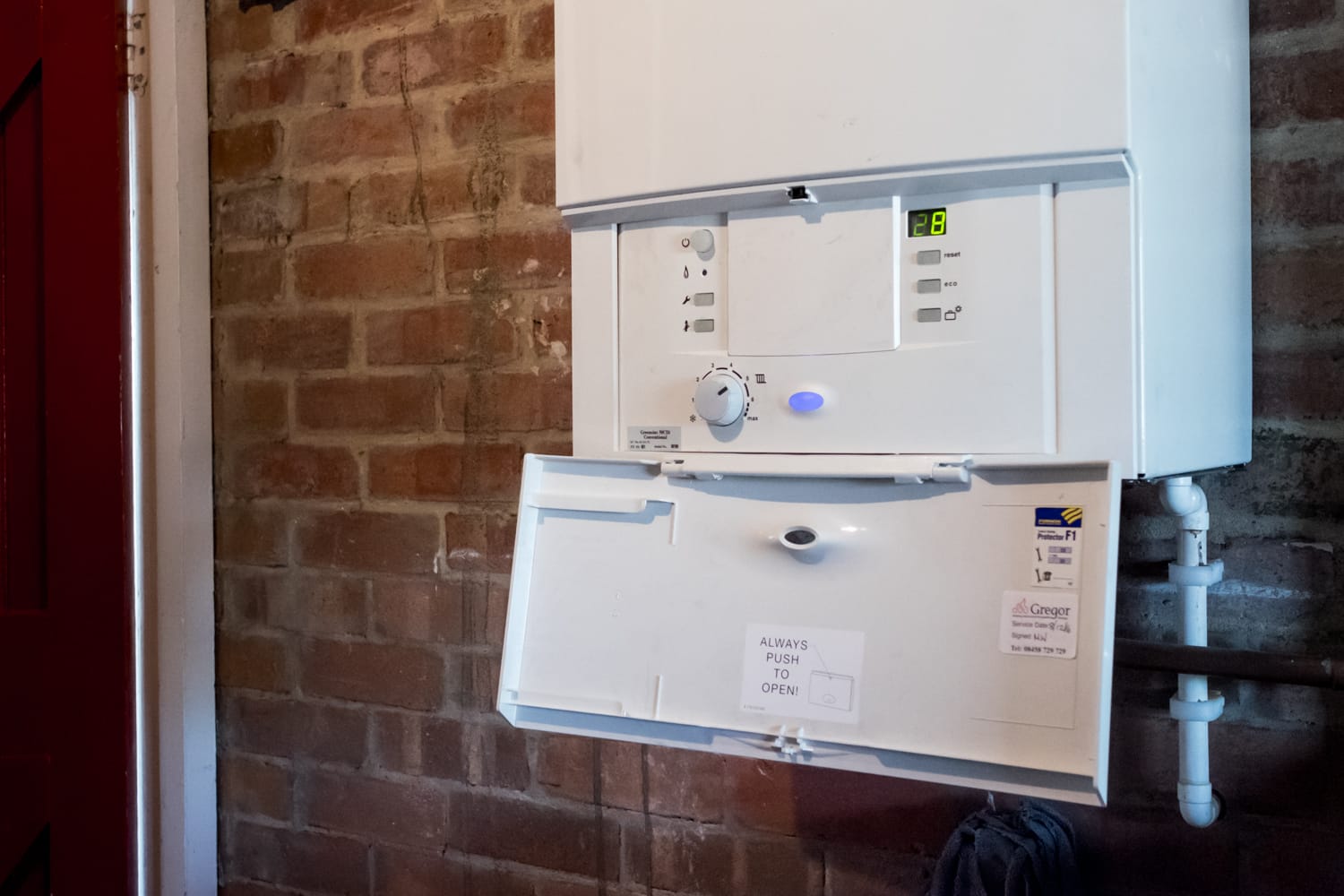
This is the one job that turns into a genuine problem if you leave it. The moment temperatures drop, boiler engineers get booked solid, and a faulty system in October is a same-week emergency callout instead of a routine visit. An annual service usually costs a fraction of what an emergency repair does, and it catches small issues, a worn part, a pressure problem, before they turn into a breakdown on the coldest night of the year.
If your boiler's getting on a bit, this is also worth being honest with yourself about efficiency. An old boiler working harder than it should isn't just a repair risk, it's money going straight out through the flue every time the heating kicks in.
Clear the gutters before the leaves do it for you
Gutters and downpipes clogged with the last of summer's growth are one of the most common causes of autumn damp. Once the leaves properly start falling, water backs up, spills over the edge, and starts working its way into brickwork and window frames instead of away from the house where it belongs. Clearing them now, before the main leaf-fall, means one job instead of clearing them twice.
While you're up there, or getting someone up there for you, it's worth checking the roofline generally. Loose or slipped tiles, cracked flashing around chimneys, and worn seals around vents are all far cheaper to fix in September than after the first proper autumn storm has had a go at them. This is exactly the kind of thing a our Home Score is built to catch.
Draught-proof the obvious gaps
Doors, letterboxes, keyholes, and old window frames are where most of a home's heat quietly disappears once the weather turns. None of this requires a tradesperson. Draught excluders, letterbox brushes, and a tube of sealant around obvious gaps are a weekend job, and the difference shows up almost immediately in how long a room holds its heat.
Curtains matter more than people think here too. Heavy curtains closed at dusk make a real difference to how much heat a room loses overnight, and it costs nothing beyond remembering to actually close them.
Bleed the radiators and check the heating actually works properly
If a radiator's cold at the top and warm at the bottom, there's air trapped in the system, and it's working harder than it needs to for less heat. Bleeding radiators takes ten minutes and it's worth doing across the whole house before the heating goes on properly for the season, not after you've noticed one room's never quite warm enough.
It's also the point to check your thermostat and any timers are actually set the way you think they are. Summer schedules and settings have a habit of quietly staying in place well past the point they still make sense.
Check the loft and look for damp, not just draughts
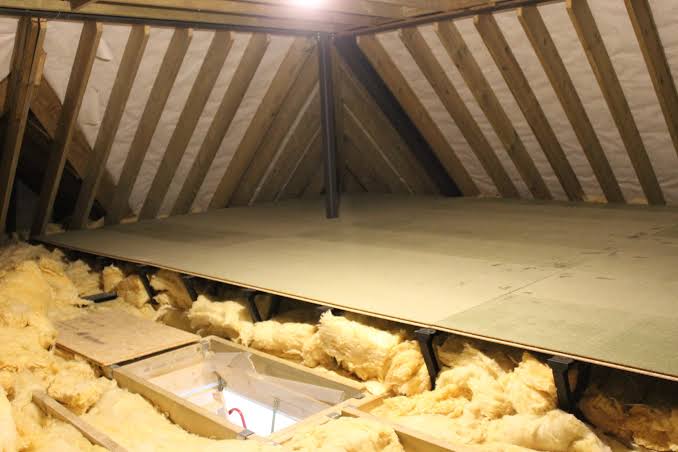
Insulation does most of its work in autumn and winter, and it's worth an actual look rather than an assumption that it's fine because it was fine when the house was bought. Loft insulation settles and shifts over time, and gaps around pipework or loft hatches let heat escape in ways that aren't always obvious from inside the house.
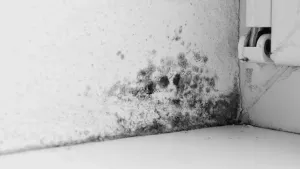
While you're up there, look for damp staining, condensation, or anything that looks like it's tracked in from outside. Autumn is when small leaks that were invisible in dry summer weather start showing themselves, and it's far easier to deal with a stain now than a full damp problem by November.
Test the alarms before the heating season starts
Smoke alarms and carbon monoxide alarms should get tested as standard once the heating goes back on for the year, not as an afterthought. A CO alarm in particular matters more from this point in the year onward, once boilers, gas fires, and any wood burners start getting proper use again after months of sitting idle.
Review your energy tariff, not just your usage
Most people only think about their energy tariff when a bill arrives that makes them wince, usually well into winter when there's little that can be done about it retrospectively. Early autumn, before usage climbs, is a better time to actually compare what's available and check whether a fixed deal makes more sense than sitting on a variable one heading into the highest-usage months.
There's also a genuinely useful bit of timing this year specifically: VAT is coming off household electricity bills from October, which will shave a little off everyone's costs regardless of tariff. It's not a reason to skip reviewing your deal, but it is one more thing worth factoring in when you do.
Protect outdoor taps and put summer things away properly
Outdoor taps and any exposed pipework are worth insulating or draining down before the first hard frost, rather than after a burst pipe. It's a small job that gets forgotten every single year because it doesn't feel urgent in September, right up until it very suddenly is.
Garden furniture, hoses, and anything else that spent summer outside is worth cleaning and storing properly too. Left out through an autumn's worth of rain, most of it needs replacing by spring instead of just bringing back out.
Turning a checklist into something that actually happens
Lists like this one are easy to read and easy to forget by the following weekend. That's really the gap HomeScore is built to close: instead of a once-a-year checklist, it looks at your actual property and sets you monthly tasks based on what it genuinely needs and what you're trying to get out of it, whether that's staying ahead of exactly this kind of seasonal maintenance, cutting running costs, or working toward a greener home.
Autumn is as good a starting point as any. Get the obvious jobs above ticked off now, and let the rest run on a schedule instead of a memory.