Bank of England Raises Interest Rates to 4%: What It Means for You
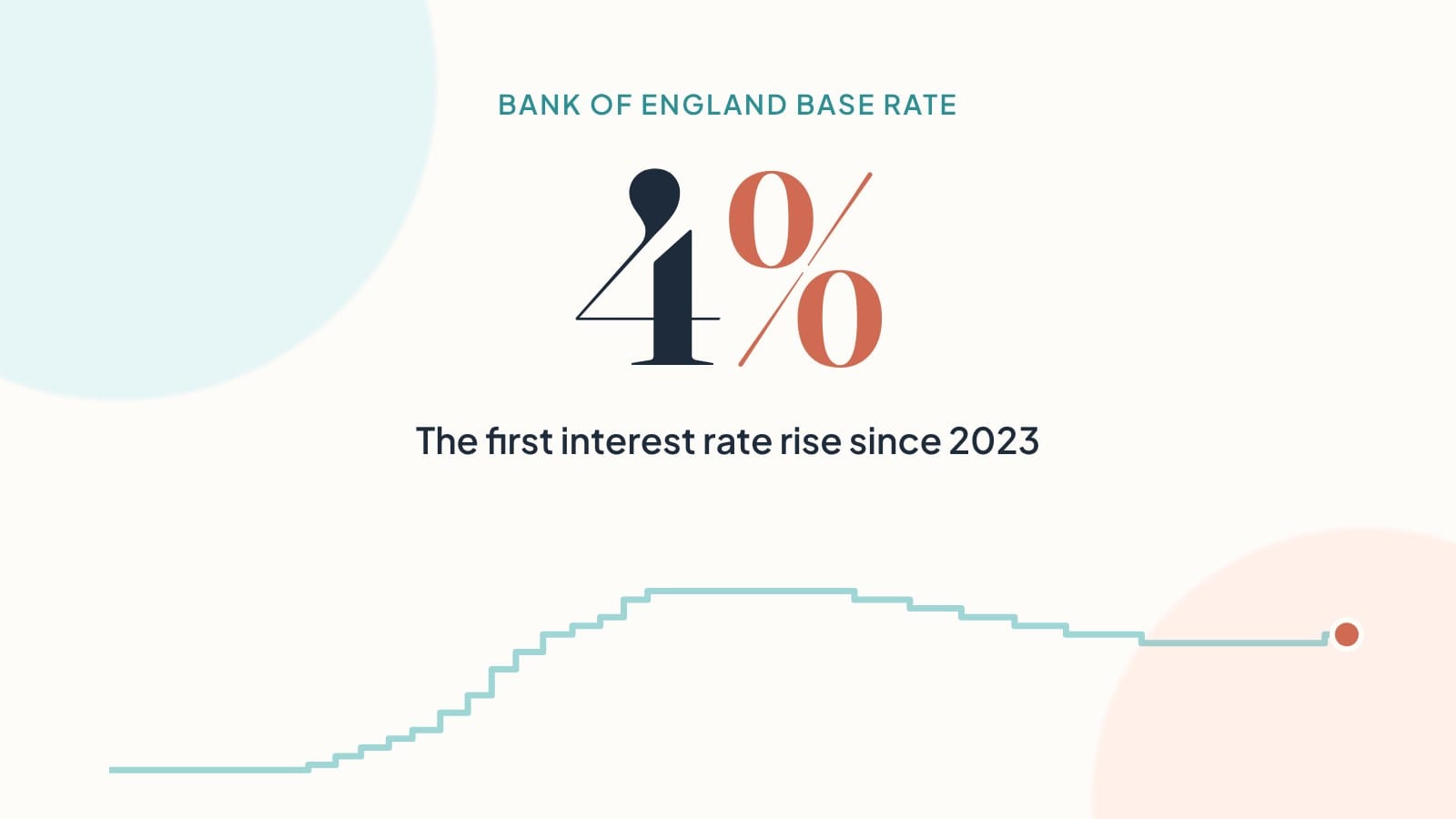
The Bank of England has raised the base rate to 4%, its first interest rate rise since 2023. Here's why, and what it means for your mortgage, savings and rent.
The Autumn Budget brought no changes to stamp duty, but new detail on Your First Home, a First Time Buyer ISA and help with energy bills. Here's what it all means for homeowners, buyers, renters and landlords.
Rents are rising faster than house prices, but is buying actually cheaper? We compare the true cost of buying and renting in London, the North East, Wales and Scotland using the latest official figures.
Homebuyers could face around £1,000 a year in extra mortgage costs, even though the Bank of England hasn't raised rates. We separate the forecasts from the facts and explain what it means if you're buying.
Britain is in the middle of a rooftop solar boom, and more homes are coming to market with panels already fitted. We look at the numbers behind it, whether solar pays off and what it means for buyers and sellers.
UK house price growth has slowed to 1.3% and sales agreed are running behind last year. We unpack the summer slowdown, why it looks so different from one area to the next and what it means for you.
With more homes for sale than at any point in a decade, buyers have more power than they think. Here's how to negotiate in 2026 and why property condition is the most powerful lever almost nobody uses.
Cardiff is one of the UK's more affordable cities, but value depends on where you buy and what you're looking for. We break down the city's most affordable areas for every type of home, from flats to detached houses.
Surveyors and lenders are increasingly valuing homes below the agreed price. We explain what a down-valuation is, why they're rising and what buyers and sellers can do if it happens to them.